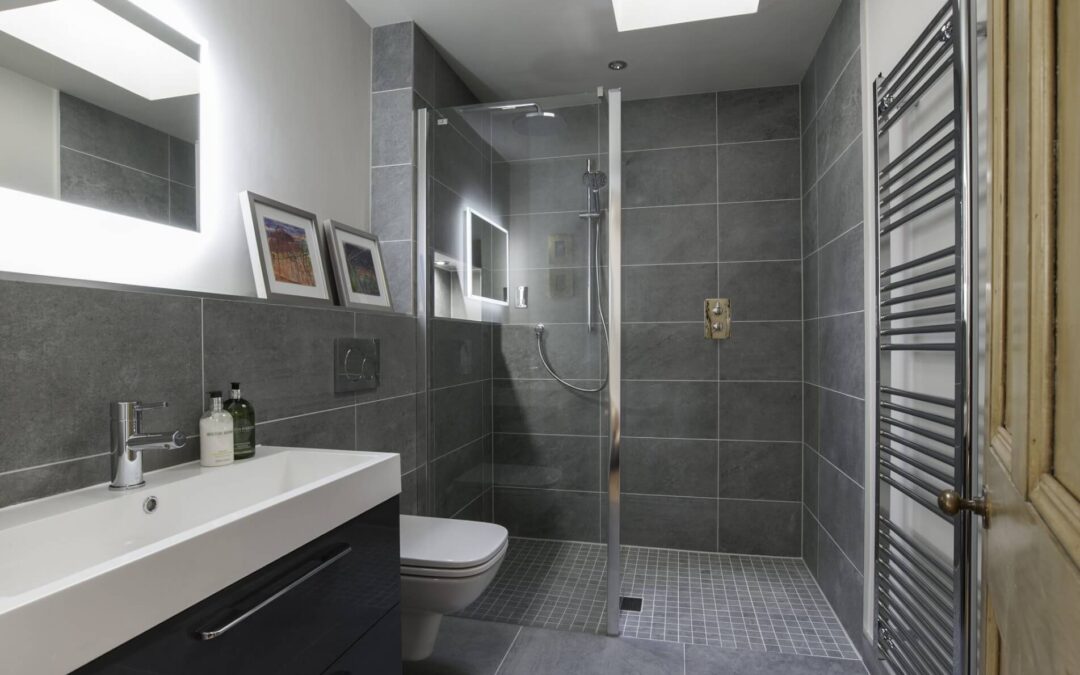
Tile maintenance is a key part of safety and hygiene, especially in mobility-focused bathrooms and wet rooms. It may not be the most fun job, but it’s definitely satisfying.
Regular care helps non-slip tiles stay effective, prevents mould and water damage, and gives older or less mobile users the confidence to move around safely.
According to NHS data, slips and falls account for over half of all accidental injuries in people aged 65 and over, with most occurring at home – particularly in bathrooms.
Proper tile care helps reduce this risk, extend the lifespan of your accessibility bathroom or wet room, and protect your investment for years to come. Plus, it will leave your bathroom looking fresh and clean. When tiles collect dirt and dust, they start to look really dirty, and they also attract more germs. To avoid this happening, you need to stay on top of tile cleaning and maintenance.
Why Tile Maintenance Matters in Accessibility Bathrooms
Tiles in an accessible bathroom work harder than most.
They provide traction, protect surfaces from water, and create a safe, welcoming environment for everyday use.
Neglecting tile maintenance can quickly lead to slippery surfaces, mould, and grout damage – all of which undermine both safety and hygiene.
Preventing slips and falls in mobility bathrooms
Non-slip bathroom tiles are engineered with subtle textures to provide grip, even when wet. Over time, soap scum, limescale, and body oils can clog these textures, reducing friction and making surfaces unsafe. Regular cleaning helps to keep the tile surface “open,” allowing it to perform as it should.
Keeping non-slip tiles clean can reduce these risks, support independent living, and allow people to age in place.
Extending the lifespan of your wet room tiles
Wet rooms endure constant humidity and water splashes. If tiles are left unchecked, moisture can seep through damaged grout or sealant, leading to:
- Mould and mildew around joints
- Discolouration or staining
- Loose, cracked, or hollow-sounding tiles
- Long-term water damage beneath the surface
Simple, regular tile maintenance helps tackle these issues early, saving costly repairs and keeping your accessible bathroom safe and comfortable to use.
Supporting hygiene and independence
For people with limited mobility, a spotless, slip-free floor builds reassurance and maintains dignity. It also reduces bacteria and mould growth that thrive in damp environments. Routine maintenance supports personal independence and safer, more hygienic daily bathing.
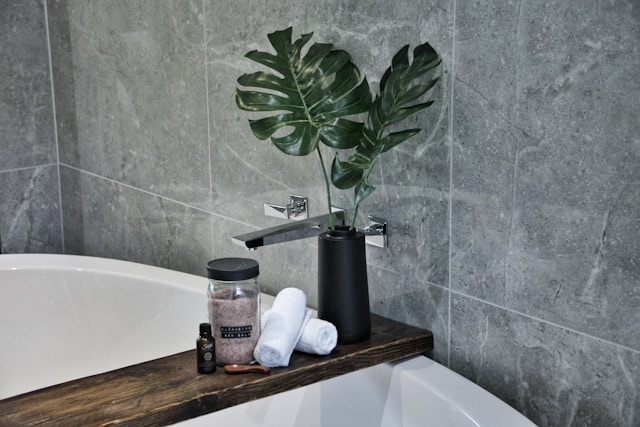
The Best Way to Clean Bathroom Tiles
Knowing the right way to clean bathroom tiles is important to preserving their safety and finish in a mobility-focused bathroom. The goal is gentle, consistent cleaning with effective but non-abrasive products.
Routine cleaning tips for all tile types
- Rinse or wipe down surfaces after each use to remove soap and residue
- Use a pH-neutral bathroom cleaner once or twice weekly
- Pay attention to grout and corners where moisture collects
- Choose soft cloths or brushes to protect tile coatings
- Keep the room ventilated to help the tiles dry quickly
Little and often is much better than harsh, infrequent scrubbing.
How to clean non-slip bathroom floor tiles
- Use cleaners formulated for anti-slip flooring or textured tiles
- Avoid waxes, heavy detergents, or polishes that leave a film
- Scrub gently with a soft or medium bristle brush
- Rinse thoroughly to remove residue
- Dry with a mop or squeegee to maintain grip
These steps help to preserve the texture that makes non-slip tiles safe underfoot, even in high-moisture environments.
Recommended cleaning tools and solutions
- Non-abrasive brushes or pads
- Long-handled cleaning tools for better reach
- pH-neutral or eco-friendly cleaning products
- Squeegee for wet rooms to move water towards drains
- Occasional resealing if your tile or grout needs it
Common Tile Maintenance Mistakes to Avoid
If you want to keep your accessible bathroom in top condition, steer clear of these common tile maintenance mistakes:
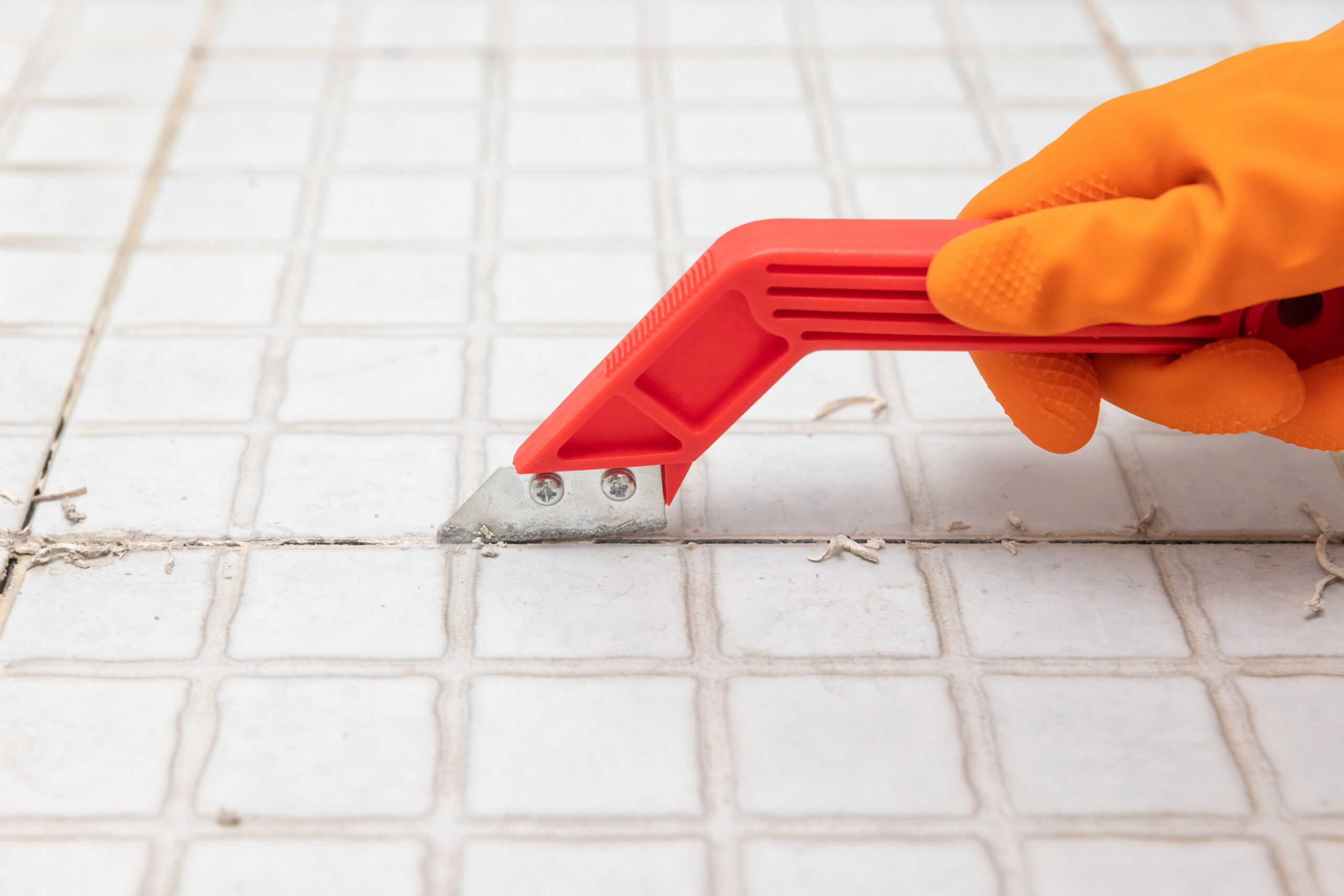
- Ignoring the grout. Uncleaned grout absorbs moisture and darkens over time.
- Using strong chemicals. Harsh acids or bleaches corrode coatings, making tiles slippery.
- Poor ventilation. Damp corners encourage mould growth and discolouration.
- Neglecting resealing. Some natural stone tiles and grout require periodic resealing
Look out for warning signs such as persistent dampness, hairline cracks, or loose tiles. Whilst they might seem small, they can become costly if not addressed promptly.
Professional Tile Maintenance for Mobility Bathrooms
Regular DIY care covers most tile cleaning tasks. But sometimes, expert help is needed to ensure long-term safety and performance.
When to call in a specialist
Contact a professional if you notice:
- Recurrent mould growth
- Cracked or moving tiles
- Crumbling grout
- Persistent slipperiness
- Water staining on adjoining walls or ceilings
A professional can assess whether deeper structural repairs are needed to keep your bathroom or wet room watertight and safe.
Benefits of routine professional cleaning
Expert cleaners use specialised equipment and products designed to reach deep into the textured surfaces of non-slip tiles, lifting away embedded dirt, soap residue, and mineral build-up that ordinary cleaning often misses. This process helps restore the flooring’s original grip, maintaining a safe, slip-resistant surface.
Professional services can also include resealing grout lines and porous tile materials, which is vital for keeping moisture out and preventing mould or long-term water damage.
Resealing creates a protective barrier that safeguards both the tiles and the structure beneath them, extending the overall life of your wet room or mobility bathroom.
For older adults or people with mobility challenges, professionally cleaned and sealed bathroom tiles bring peace of mind and confidence in a clean, slip-resistant bathroom.
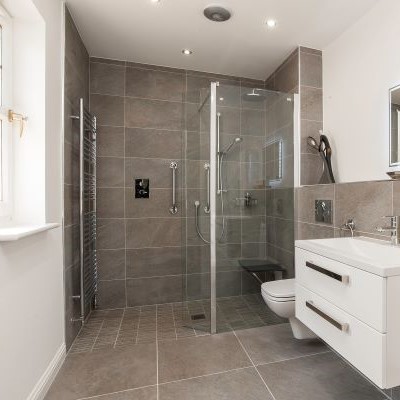
Keeping Your Accessible Bathroom Safe and Beautiful
By following a consistent cleaning routine, avoiding harsh products, and addressing early signs of wear, you’ll extend the life of your wet room and keep it safe for everyday use.
Regular tile maintenance helps prevent accidents and supports independence, hygiene, and comfort for everyone using the space.
For expert advice or professional maintenance for mobility bathrooms, contact BMAS. Our specialists understand accessible bathroom design and can help you choose tiles that will look beautiful and remain safe for years to come. Get in touch today to find out more.