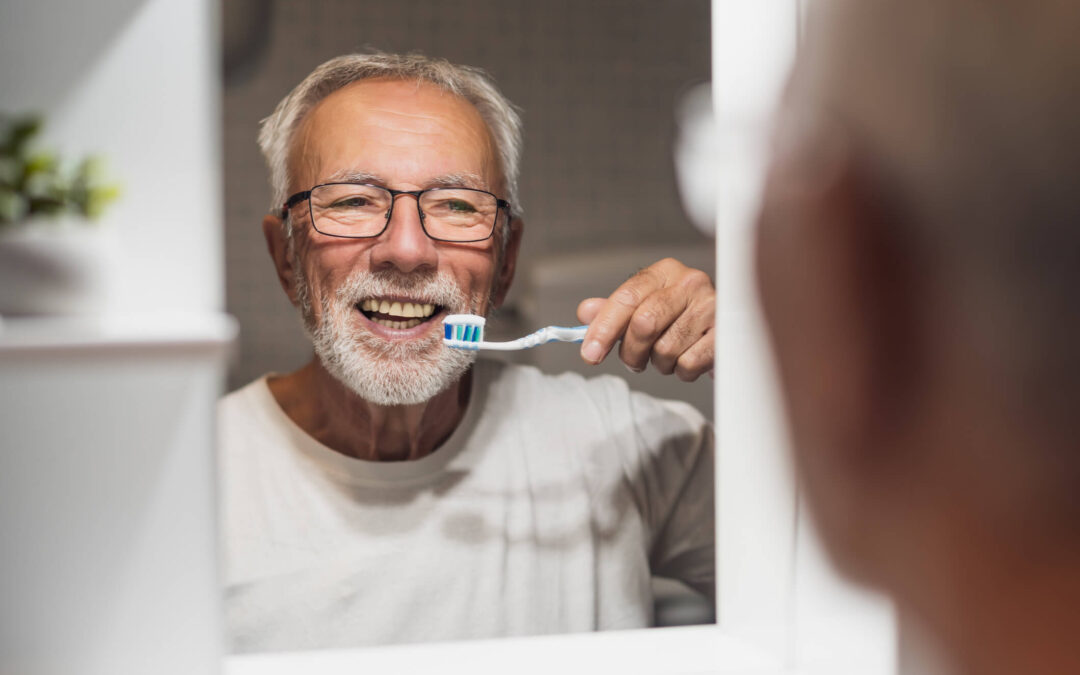
Good personal hygiene is essential for health, well-being, and dignity. Keeping ourselves clean may seem simple to most of us, but for many elderly people, keeping up a daily hygiene routine can easily become challenging and sometimes even distressing. There are many reasons for this, including difficulties with mobility, long-term illness, or cognitive changes.
Poor hygiene doesn’t just affect physical health; it can impact our mental health and social life as well.
Bathroom facilities can have a big impact on personal hygiene. If people aren’t able to wash easily and don’t feel confident in their bathroom, it can lead to a lack of self-care. We are a trusted provider of practical bathroom solutions. Here at BMAS, we help support caregivers, families, and healthcare professionals by offering safe, comfortable, and manageable ways to support older adults.
In this article, we’ll explore the causes and consequences of poor hygiene and explain what you can do to improve things.
Common Causes of Poor Hygiene in Older Adults
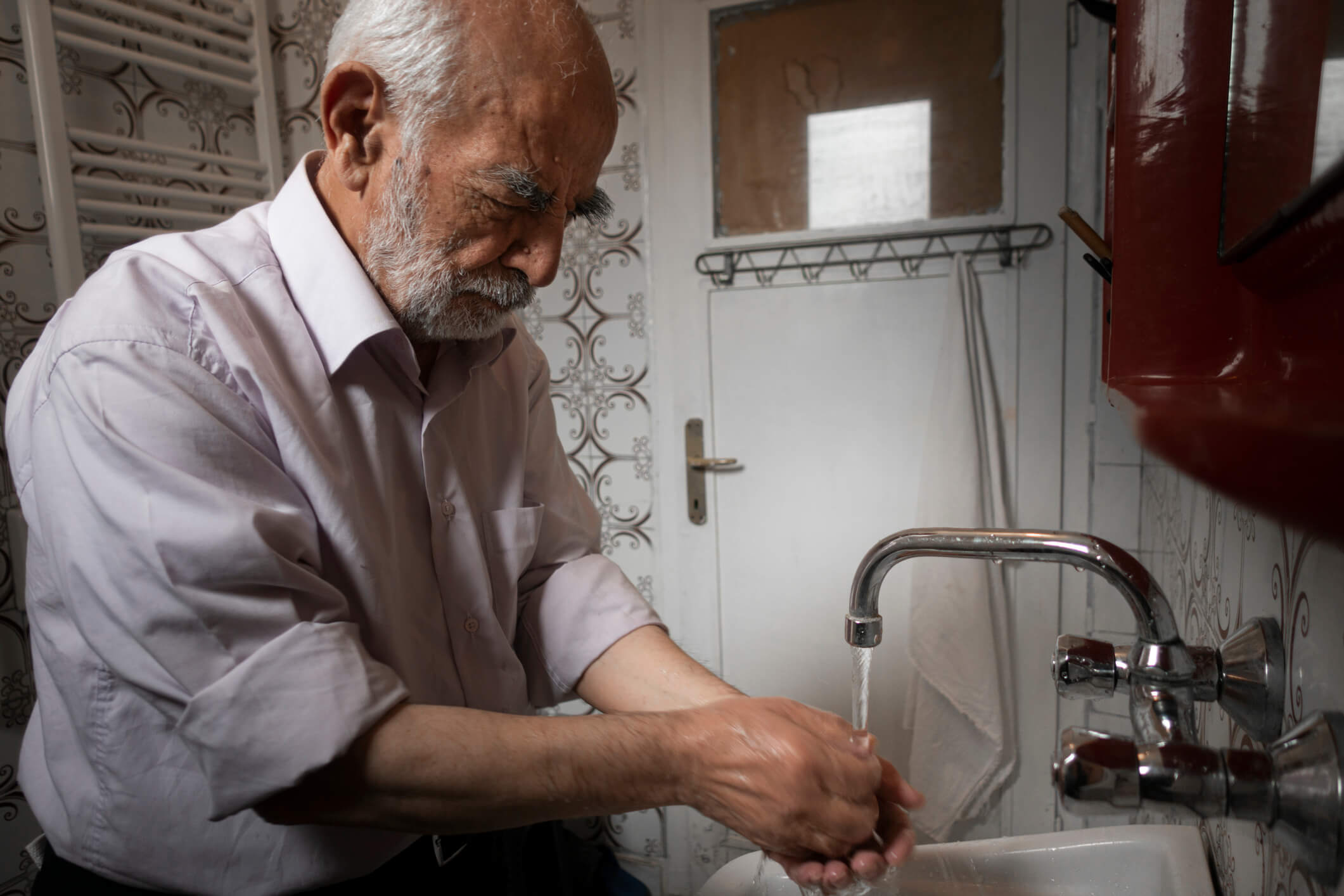
It’s important to understand why poor hygiene can happen, so that caregivers can offer the right support. Here are a few things to keep in mind:
- Mobility – health conditions like arthritis, balance problems and loss of muscle strength can make bending and reaching more tricky. Standing safely in a shower can get more challenging as we age. Getting in and out of the bath can also be difficult.
- Cognitive decline – neurological conditions like dementia or other memory impairments could mean an elderly person forgets to bathe or brush their teeth.
- Depression or low mood – when older adults feel low, sad or lack motivation, prioritising personal care is often the first thing to go.
- Anxiety about accidents – many older adults worry about falling in the bathroom. This can make them avoid washing or bathing.
- Sight or hearing loss – or increased skin sensitivity can make personal care routines more challenging or even unpleasant.
Understanding these causes means caregivers can support with empathy.
Physical Health Consequences
Poor hygiene can sometimes have more serious health consequences:
- Skin infections – a build-up of sweat, dirt, and bacteria can lead to rashes and fungal infections. Pressure ulcers can be a concern for those who are less mobile.
- Urinary Tract Infections (UTIs) – poor intimate hygiene can increase the chances of getting painful UTIs, which may mean a stay in hospital if not treated quickly.
- Dental problems – tooth decay, gum disease, bad breath, and more serious infections can develop without a regular dental routine. Oral infections, as well as gum inflammation and bad breath, can develop if dentures aren’t cleaned thoroughly. Cleaning regularly using appropriate products, soaking dentures overnight, and regular dental checkups with a professional will help prevent issues from occurring or worsening.
- Coughs and colds – not washing hands, or frequently touching the face can increase the risk of catching respiratory infections. In people with weaker or compromised immune systems, these can develop into more serious illness.
- Chronic health conditions – poor hygiene can make diabetes-related skin conditions worse, or lead to foot ulcers in those with existing diabetic neuropathy.
Emotional and social issues
Poor hygiene isn’t only about obvious physical issues; it can also have a hidden effect on emotional wellbeing.
- Emotional issues – if an older person can’t look after their personal hygiene without help it can be upsetting for them, and may damage their self-confidence and self-esteem.
- Relationships – being a caregiver for a family member can be difficult for everyone involved, and can lead to strained relationships, frustration or guilt if not discussed and managed properly.
- Mental health – if poor hygiene is not dealt with quickly, anxiety, depression, or behavioural changes in those with cognitive difficulties can quickly become a problem.
- Isolation and stigma – older adults might start to avoid being around others if they are embarrassed by body odour or if they feel untidy. If they also start to miss out on social contact, it’s easy to get lonely and depressed.
Helpful Tips for Caregivers
Caregivers play a very important role in supporting older adults.
Here are some ways you can help:
- Routine –bathing at the same time each day or brushing teeth after every meal helps with encouraging consistency.
- Choice – helping older adults to choose when or how they bathe can help encourage cooperation and reduce objections.
- Small steps – if a full bath is overwhelming, perhaps a quick shower, sponge bath, or partial wash might be better.
- Bathing aids – long-handled brushes, non-slip mats, shower chairs, and grab bars make bathing safer and more comfortable for elderly people.
- Positive encouragement – gentle reminders from family, friends, or carers can motivate older adults without making them feel ashamed or guilty..
- Hand hygiene – washing hands before meals, after using the bathroom and in public spaces can help prevent infections.
- Skin care – older adults can suffer from dry, fragile skin. Using gentle, fragrance-free moisturisers regularly can help stop irritation, rashes, and general skin discomfort.
Caring for someone can be exhausting. Don’t be afraid to ask for help from medical professionals, support groups, or therapists.
Assistive Bathroom Solutions
BMAS specialises in creating practical, safe, and dignified solutions for older adults with mobility or hygiene challenges.
- Specialist products and equipment – grab bars and handrails installed in key places can help with mobility and independence.
- Safety mats – in the bath or shower, and on the bathroom floor, can help reduce the risk of falls in wet areas. Anti-slip flooring is also a good option. Explore more ideas here
- Handheld shower heads – these can make it easier to wash than using a fixed shower head.
- Walk-in showers and baths – if it’s easier to get in and out of the bath or shower then falls and slips become less of a worry. This is an important part of independence and confidence for the older person.
- Shower chairs and bath lifts – these allow older adults to sit while washing, which can help with fatigue and boost confidence.
- Wet rooms – these offer the ultimate in easy access solutions. Find out more about how we can help.
Other ways you can give support:
- Timing – talk to your elderly person about when they feel most energetic and plan baths or showers around these times.
- Personal care products – essential washing items like soap, shampoo, towels, and clothing should all be kept close to minimise overstretching and the risk of falls.
- Skin and oral health – caregivers should regularly check for irritation, redness, or any dental concerns.
- Comfort – use warm (not hot) water to avoid scalds. A clean, inviting bathroom can make personal hygiene a more enjoyable experience.
All of these can help make a bathroom safer and more welcoming. For many families, this could be the difference between dependence and independence. For further information, check our guide on accessible bathrooms.
Final Thoughts
Poor personal hygiene isn’t just about appearance; it can affect physical and mental health, confidence, and social connection, especially in later life. The good news is that once you understand a bit more about the challenges you may face as a caregiver, you’ll find there are lots of simple ways you can help make life easier.
The team at BMAS is here to support the needs of the elderly and their caregivers with practical bathroom solutions that help take the stress out of personal care. For us, it’s not just about fixtures and fittings; it’s about helping elderly friends and relatives keep their independence, dignity, and quality of life for as long as possible. Even the smallest changes to a bathroom can make the biggest difference to quality of life.
Frequently Asked Questions
What can cause poor hygiene in elderly people?
Mobility problems, memory loss, mental health issues and fear of accidents are common causes of poor hygiene. Sometimes the bathroom itself isn’t safe enough, or is difficult to move around in.
How can I help an elderly person with their hygiene?
Always be kind. Involve them in decisions that affect them, and make their bathroom as safe as possible using aids or by fitting adaptations. Help them be independent and always be respectful when offering help.
Are there health risks from poor hygiene in older adults?
Yes. Poor hygiene can lead to skin conditions, infections, dental problems, and complications for chronic illnesses like diabetes. It can also lower self-confidence and lead to social isolation, low mood, or even depression.
Can bathroom adaptations make a difference?
Absolutely. From walk-in showers to simple grab bars, adaptations reduce risks, boost independence, and give older adults the confidence to keep a good hygiene routine. Quality of life is important, and small changes can make a big difference.
How else can I help?
Communication is important – keeping healthcare providers up to date with any issues helps make sure problems are dealt with as quickly as possible, and any underlying health issues managed. Remember to always be considerate – helping someone with their hygiene is a very personal thing; always make sure you listen to and respect their wishes. Check it’s ok to go ahead with any new care routine before you start, and always treat them respectfully.