Many households in the UK are thinking carefully about how their homes will work as they grow older or manage evolving health needs.
An accessible bathroom is one of the most impactful improvements you can make to your home. Investing in an accessible bathroom will help to reduce the risk of slips and falls while supporting comfort and confidence every day. For many people, it is the difference between feeling anxious in the bathroom and feeling fully in control.
Rather than moving house or into a supported living facility, many older people are aging in place, adapting their homes so they can continue living safely and independently for longer.
An accessible bathroom, with thoughtful design and supportive features, plays a central role in this plan. It provides benefits to people with mobility needs, their family members, and carers. And it can even add long-term value to your property.
What Is an Accessible Bathroom?
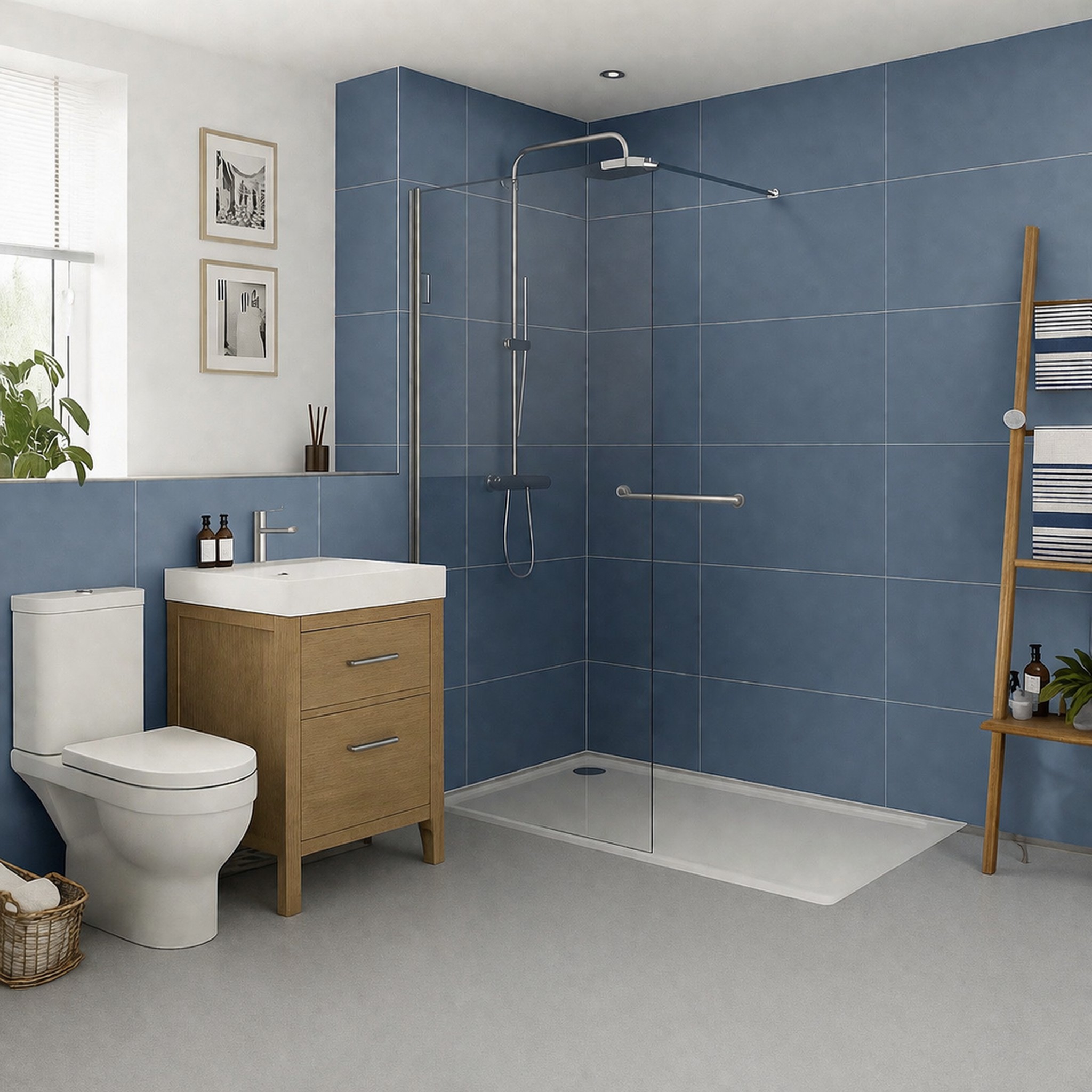
An accessible bathroom is designed so that people with reduced mobility, balance issues, sensory changes, or other health conditions can use it safely and with minimal assistance. It goes beyond standard layouts and fittings, focusing on level access, clear space to move, and fixtures that are easier to reach and operate.
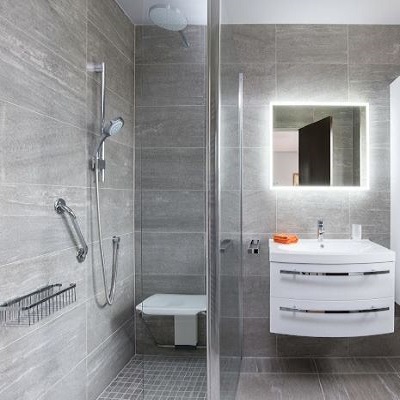
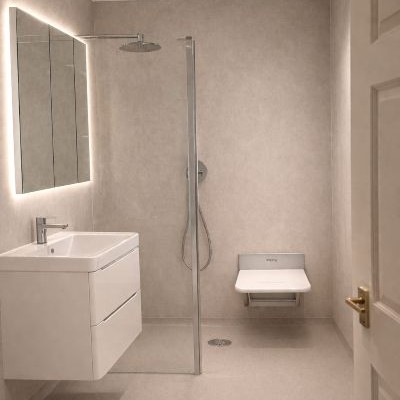
These spaces often fall under the wider umbrella of mobility bathrooms, and can include level-access walk-in showers, fully waterproof wet rooms, and walk in baths with side-opening doors. Features such as non-slip flooring, grab rails, shower seats, and easy-to-use taps all help to minimise risk and improve comfort.
The aim is a bathroom that works with the user’s abilities, rather than against them, making daily routines simpler and more dignified.
Safety First: Reducing the Risk of Slips and Falls
Falls are a major health issue in the UK. There are over 220,000 fall-related emergency admissions annually among people aged 65+, and bathroom and toilet areas are primary locations for falls in the home.
Hard surfaces, water, and awkward movements are all contributing factors, so practical changes such as grab rails, non-slip flooring, and level-access showers are highly recommended to reduce the risk of accidents.
These adaptations can significantly reduce the chance of slips and falls and help people feel more secure when bathing or using the toilet.
Installing well-positioned grab rails near the shower, bath, and toilet gives users something solid to hold onto as they move and change position. This is especially important for people with balance, strength, or joint problems.
A walk in shower or wet room removes the need to step over a high bath threshold, cutting out a major trip hazard and making it easier to use walking aids or a wheelchair.
Adding a shower seat allows users to wash while seated, reducing fatigue and the risk of losing balance.
When combined, these features bring peace of mind to the person using the bathroom and to their family members or caregivers.
Long-Term Independence and Confidence
Installing an accessible bathroom is a great way to maintain independence in one of the most private parts of the home.
When using the bathroom feels difficult or unsafe, people may become anxious about bathing, avoid washing as often as they would like, or feel forced to rely on others for help. This can have a knock-on effect on confidence and quality of life.
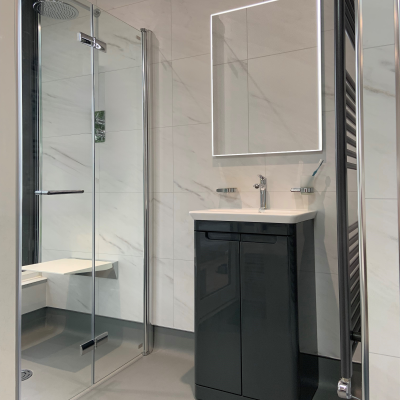
By contrast, a well-designed mobility bathroom supports independence with features such as easy-to-reach controls, doors and handles that are easy to operate, and layouts that allow users to move around without feeling cramped or restricted.
For many people choosing to age in place, being able to bathe or shower in comfort, without worrying about falls or needing constant assistance, protects dignity and privacy. Choosing an accessible bathroom can also reduce stress for partners and family members, who know that the environment has been designed with safety and accessibility in mind.
Adding Comfort and Luxury Without Compromise
Modern accessible bathrooms don’t have to look clinical. It’s possible to create a safe space that feels like a calm retreat as well as a practical bathroom.
Sleek, level-access walk-in showers, frameless screens, wall-hung furniture, and carefully chosen tiles can all contribute to a contemporary, spa-like look, while still supporting mobility needs.
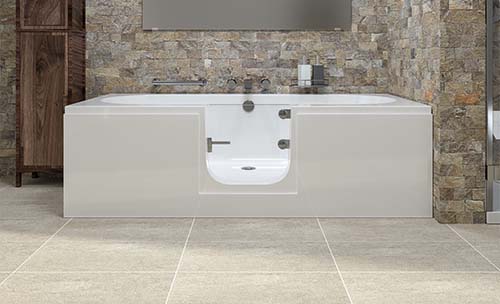
If you enjoy long, relaxing soaks, a walk in bath can offer deep bathing with the reassurance of a low-entry door and secure seating.
Optional features such as hydrotherapy jets, headrests, and heated surfaces can add a sense of luxury and help ease tired muscles at the same time.
A fully tiled wet room can feel like a boutique hotel bathroom, with open, step-free access and a generous showering space.
And safety details such as non-slip flooring and discreet grab rails can be colour-matched or integrated into the design so they blend seamlessly with the rest of the room.
Increasing Your Home’s Value
Investing in an accessible bathroom is a practical improvement, but it can also be a smart decision from a property perspective.
As more buyers recognise the benefits of mobility bathrooms and future-proofed homes, features such as walk in showers, wet rooms, and accessible layouts are becoming increasingly attractive.
For households with older relatives, disabled family members, or plans to stay in a property long term, an existing accessible bathroom can be a real selling point.
While a bathroom conversion is a considered investment, the long-term benefits can be substantial. Alongside enhanced safety and independence, accessible bathrooms can help prevent or delay the need for more substantial, disruptive moves later on.
Design choices such as easy-clean surfaces, modern ventilation, and efficient fixtures can also contribute to lower maintenance demands and more comfortable everyday use.
When viewed in terms of both lifestyle and resale potential, an accessible bathroom often represents strong overall value.
Tailored Solutions for Every Home
Every home and every household is different, which is why accessible bathroom design works best when it is tailored to specific needs.
For some, a compact walk in shower in place of a traditional bath will open up space and remove key trip hazards, making the bathroom easier to navigate. Others may benefit from a walk in bath with a side door, built-in seat, and optional spa features, combining comfort with safer access.
For maximum accessibility, especially if you are a wheelchair user or have a carer to help you with bathing, a fully waterproof wet room can provide level access throughout and plenty of room to manoeuvre.
Thoughtful positioning of grab rails, a sturdy shower seat, and storage at accessible heights all help to create a layout that works with daily routines, rather than against them.
BMAS can guide you through these options, offering expert consultation, design advice, and professional installation, so your new accessible bathroom feels cohesive, safe, and aligned with how you live.
Why Now is the Perfect Time to Invest
People in the UK are living longer than ever before – by 2040, almost one in seven will be over 75. Many older people want to age in place, remaining in their own homes for as long as possible.
Planning ahead by investing in an accessible bathroom now can make that goal much more realistic.
Rather than waiting until a fall or sudden change in your health forces urgent changes, proactively adapting your bathroom gives you time to choose the right solutions, minimise disruption, and enjoy the benefits straightaway.
Creating a mobility-friendly space early can also help prevent accidents and the associated physical, emotional, and financial costs.
For those already living with mobility or health challenges, upgrading to features such as a walk in shower, walk in bath, or wet room, can quickly transform everyday routines.
For others, accessible bathroom investment is part of a broader ageing in place strategy that supports comfort and security over the long term.
A Safer, Smarter Bathroom for Life
An accessible bathroom brings together safety, comfort, independence and long-term value in one carefully considered space.
With the right combination of mobility bathroom features – from walk-in showers and baths to wet rooms, grab rails, and shower seats – it is possible to create a room that works beautifully today and remains practical as your needs evolve.
BMAS has extensive experience in designing and installing accessible bathrooms that are tailored to individual homes and lifestyles.
Whether you are looking to future-proof your property or make life easier right now, expert support can help you turn your ideas into a space that genuinely enhances everyday living.
To explore your options and start planning a safer, smarter bathroom for life, contact BMAS to book your free design consultation today. We also have showrooms in Edinburgh, Glasgow and Hitchin if you would like to come in and speak to one of our friendly in-store staff.