
Choosing the right taps for your sink or bath might not sound like the most exciting part of designing your bathroom, but colour, finish, and style can make a big difference to the look and feel of your space. There’s lots to consider; do you want separate hot and cold taps, or would you prefer a simple single pillar mixer? Ease of use and water flow are also important considerations.
Understanding the different types of taps available will help you make a choice that looks great and lasts for years to come. In this guide, we’ll break down the most common tap types, the pros and cons of each style, and how to make the most suitable choice for you. Here are some of the different types of taps for a bathroom.
Mixer taps vs. pillar taps: what’s the difference?
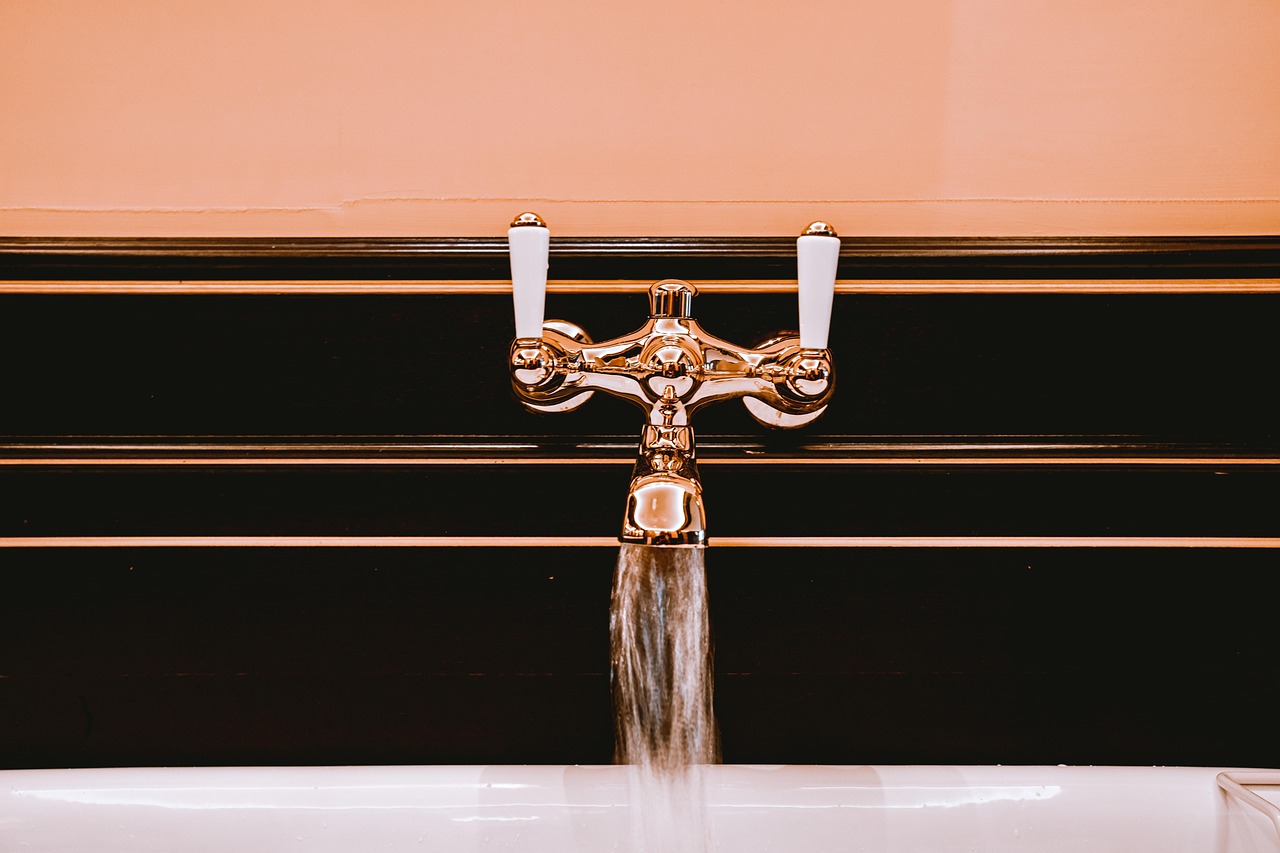
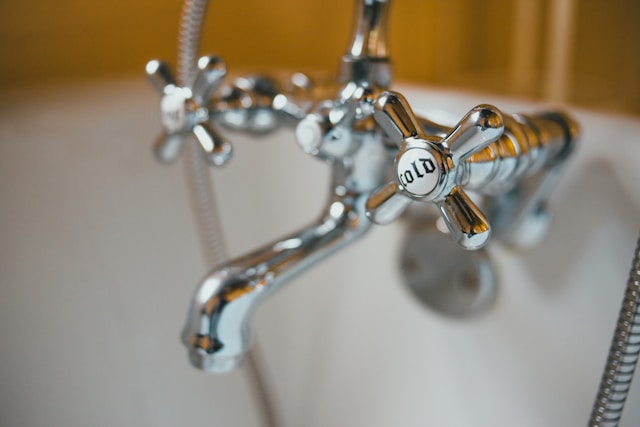
- Pillar taps: A traditional choice. Two separate taps for hot and cold water, each with its own supply. Flow is controlled by twisting the tap head. Water is mixed to the desired temperature in the basin.
- Mixer taps: For a modern look. These combine hot and cold feeds in one pillar. Water temperature and flow is controlled via a single lever or handle. Water is mixed within the tap before flowing out. These are sometimes called monobloc taps.
Pro tip: Add a thermostatic valve to a mixer tap to keep water at a safe, steady temperature.
What are the main types of basin taps?
Pillar taps
Best for: Traditional bathroom designs.
Pros:
- Simple to install and replace.
- Usually cheaper than mixer taps.
Cons:
- Temperature control can be trickier.
- More challenging for those with mobility issues.
- Not suitable for single-hole basins.
- Can be less water-efficient than other styles.
Mono / Single lever mixer taps
Best for: Modern and/or accessible bathroom designs.
Pros:
- Easy one-handed operation; great for those with limited dexterity.
- Precise control of water flow and temperature.
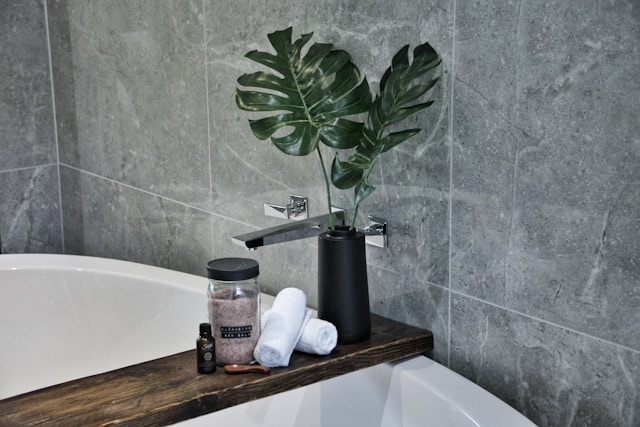
- Sleek design that suits most basins.
- More water-efficient than separate hot and cold taps.
Cons:
- Usually more expensive than pillar taps.
- May require higher water pressure.
- A more expensive choice due to complex internal mechanisms.
3-hole basin mixer taps
Best for: Luxury bathrooms where taps are a key design feature.
Pros:
- Precise control over hot and cold water using separate handles.
- A symmetrical look that suits both traditional and modern spaces.
- Available in a wide range of finishes.
Cons:
- Requires basins with three pre-drilled holes.
- More complex to fit and clean.
- Often the most expensive option.
Wall-mounted taps
Best for: Modern or accessibility-friendly bathrooms where clean lines and easy cleaning are important.
Pros:
- A clutter-free look with no visible fittings on the basin surface.
- Easier to clean the sink.
- Separate tap gives you more choice of basin design and positioning.
- Available in a wide range of contemporary finishes and styles.
Cons:
- Installation is more complex and more expensive.
- Maintenance may mean removing wall panels or tiles.
- Careful positioning is needed to ensure water flow hits the basin correctly.

How do different tap mechanisms work?
Each style has a different way of controlling water flow and temperature, along with ease of use.
-
Single lever mixer
A single handle controls both flow and temperature. Move up or down to start or stop the water, and side to side for temperature.
-
Dual handle mixer
An individual handle for hot and cold water.
-
Thermostatic taps
These automatically maintain your chosen water temperature, making them an ideal choice for mobility bathrooms and family spaces.
-
Sensor / touchless taps
These use infrared sensors to detect your hand and will turn on and off automatically. They’re hygienic, water-efficient, and increasingly popular.
Pro tip: If accessibility is important, single lever or sensor taps are a great choice as they require minimal effort and also reduce the risk of scalding (requires thermostatic temperature controller).
What tap finishes and materials are available?
Tap finishes have come a long way since shiny chrome! There’s plenty of choice, whether that’s sleek and modern or more traditional.
-
Chrome
A timeless classic that’s shiny, durable, and easy to clean.
-
Brushed brass
A warm and stylish colour and finish.
-
Matte black
Bold and contemporary, black taps are definitely a statement piece!
-
Stainless steel
Tough, durable, and corrosion-resistant; perfect for bathrooms with heavy daily use.
Some more things to think about when choosing your taps:
- Ease of cleaning (brushed or matte finishes can hide watermarks and fingerprints better than shiny).
- Durability (brass and stainless steel are built to last).
- Style (think about what complements your overall bathroom style).
Which taps work best with low vs. high water pressure systems?
Before you fall in love with a particular tap design, it’s worth checking your home’s water pressure.
- Low pressure systems (more common in older homes) can struggle with water flow, particularly for waterfall or high-rise mixer taps. Look for models labelled “suitable for low pressure”.
- High pressure systems (usually in homes with combi boilers) can handle almost any tap design, from wall-mounted mixers to sleek modern monoblocs.
If you’re not sure what system you have, check with your installer or plumber.
How to match your tap style to your bathroom design
Here are a few tips:
-
Modern
Single lever mixer or wall-mounted tap in chrome or matt black work well. Clean lines and minimalist shapes keep things looking fresh and uncluttered.
-
Traditional
Pillar taps or three-hole mixers with cross-shaped handles, finished in polished chrome or brushed brass can be a good choice.
-
Minimalist
A wall-mounted tap in stainless steel is the ultimate option. It’s easy to clean, simple to use, and looks stunning.
-
Statement look
If you love the bold look, why not choose a matt black or brushed brass mixer. Or maybe an eye-catching high-arc spout for something a little different.
FAQs
How do I know what kind of tap I have?
Look underneath your basin. If there’s one hole, you probably have a mixer tap. Two holes mean pillar taps, and three holes suggest a 3-hole mixer setup.
How many types of water taps are there?
There are four main types for basins: pillar taps, monobloc (single lever) taps, 3-hole mixers, and wall-mounted taps.
Do all taps fit any sink?
Not necessarily. The number of tap holes in your basin will determine what type fits. Always check compatibility before you buy.
Which type of tap is most commonly used?
Mixer taps, especially single lever mixers, are the most popular choice thanks to their ease of use and simple, modern design.
The right bathroom tap type for the style of your bathroom can completely change the look and feel of the space. Depending on your personal preferences, the right choice can make daily washing safer and hassle-free. Whether you prefer stylish and modern or timeless and traditional, understanding the main types of taps helps you make a confident choice.