

Keeping your walk-in shower fresh, safe, and beautiful isn’t just about making sure your bathroom looks good. If you have mobility problems, it also plays a key part in maintaining your hygiene routine, supporting your independence, preventing slips, and extending the life of your bathroom installation.
Whether you already have an accessible bathroom or you’re thinking of installing one of our walk-in baths or showers, our guide takes you through the best way to clean your walk-in shower, offering mobility-friendly advice and quick answers to some of the most common questions.
If you’re wondering how to clean a walk-in shower, we’ve broken down cleaning routines into daily, weekly, and monthly tasks to help you keep your bathroom and walk-in shower enclosure clean and sparkling.
And if you want to know how to keep other areas of your bathroom clean, take a look at our article on how to clean a wet room floor.
Read on for our walk-in shower cleaning guide and bathroom cleaning mobility-friendly tips.
Essential Cleaning Tools & Products
A safe, effective cleaning routine for your wet room or bathroom starts with investing in the right tools and products.
Here’s what you’ll need to have on hand if you want to know the best way to clean walk-in shower.
- Microfibre cloths
- Durable sponges
- Extendable bathroom cleaner for hard-to-reach areas
- An old toothbrush for any nooks and crannies
- Mild non-abrasive cleaning solution (preferably pH neutral)
- Squeegee for glass and tiles
- Baking soda and white vinegar
- Tile and grout brush
- Gloves, if you have sensitive skin
You should avoid using cleaning products that contain harsh chemicals or abrasive scrubbers, as they can damage mobility-friendly floors, seals, and glass coatings, which are essential for maintaining accessibility and safety in your walk-in shower.
It’s best to store all your cleaning products within easy reach – ideally in an accessible basket or shelf kept inside or close to the shower enclosure.
After you’ve finished having a shower, always remember to open a window or run the extractor fan to ventilate the area and prevent mould.
Daily Maintenance
Staying on top of your cleaning schedule reduces the risk of slippery surfaces and mould in your bathroom.
Just a few small daily steps will help prevent a bigger cleaning job later and keep your walk-in shower safe, hygienic, and inviting.
Here’s how to maintain a walk-in shower with a few simple everyday tasks:
- Use a squeegee or soft cloth to wipe down the glass, tiles, and grab rails. This helps to prevent soap scum and limescale.
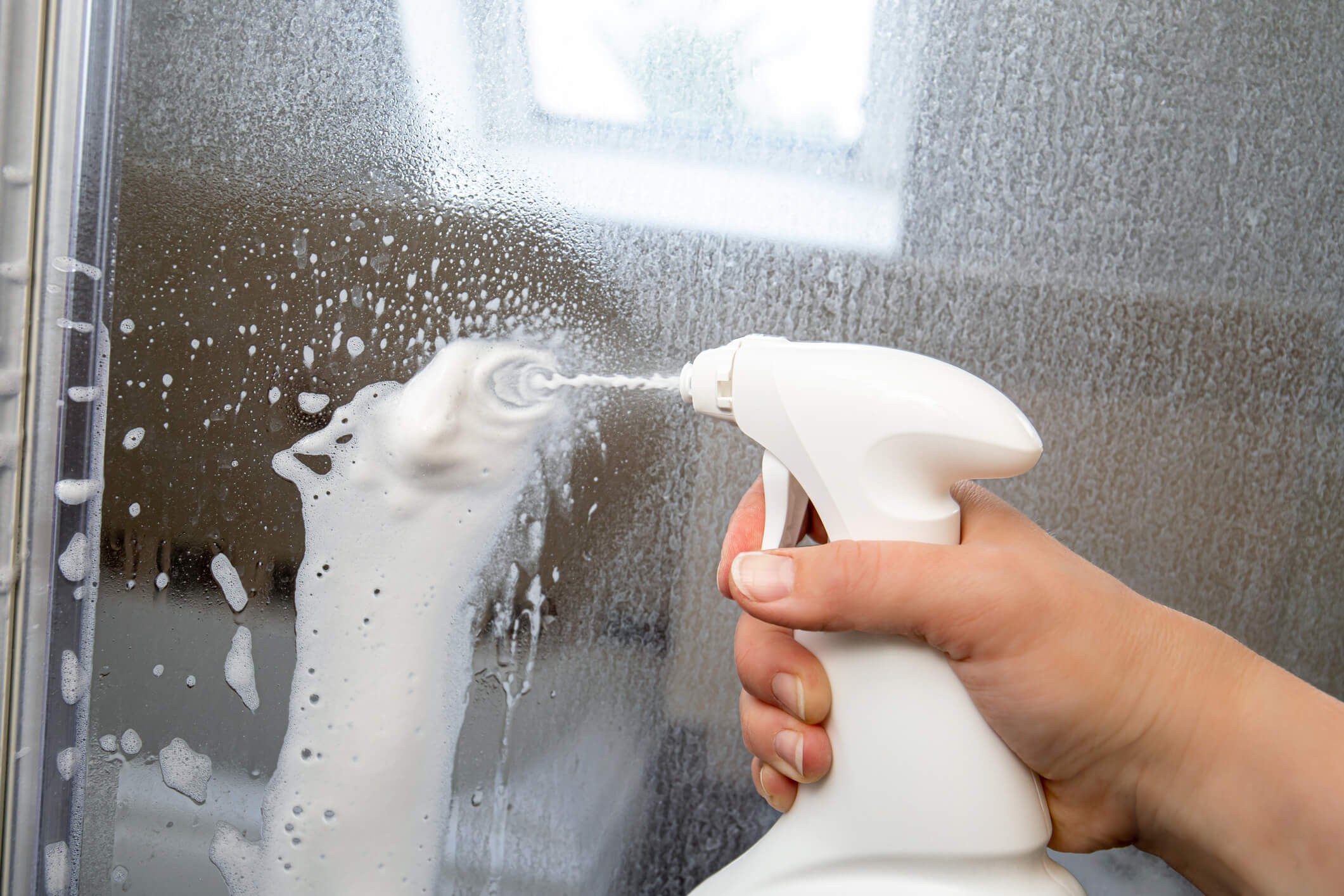
- You can also try applying a light mist of daily shower spray, which helps dissolve and prevent the build-up of soap scum, hard water stains, and mildew on wet surfaces.
- Wipe down seating, handles, and accessible fixtures to remove any soap and water residue.
Weekly Cleaning
Set aside 30 minutes once a week to tackle a more thorough clean:
- Remove all bottles, personal care items, and mats. Clearing the shower area means you’ll have easy access to every surface.
- Wet all surfaces. Use your handheld shower head or a bucket and sponge to dampen the walls, doors, floor, seating, and accessible handrails.
- Apply a cleaning solution. Use a pH-neutral or vinegar-based cleaning spray on walls, glass panels, grab rails, and seating. For glass, try equal parts white vinegar and water in a spray bottle. Let your cleaning products sit and work for three to five minutes before wiping and rinsing them away.
- Scrub tiles and glass. Start at the top and work your way down. Use a sponge or non-abrasive brush (one with an extendable handle is ideal if you find stretching or bending difficult). Don’t forget the corners and grout lines! For more stubborn stains, make a paste by mixing baking soda with water.
- Clean the shower floor and tray. Spray these areas with your bathroom cleaner, scrub them with a gentle brush, and pay special attention to non-slip textures and corner drain covers. Keep an eye out for any build-up of mould or soap scum around shower seats or step-free entries, as these areas often harbour grime.
- Dry and inspect. Use a fresh microfibre cloth to dry all surfaces and glass. This helps to prevent mildew and keeps your walk-in shower sparkling.
Monthly Deep Clean
Once a month, add these cleaning tasks to your bathroom cleaning schedule.
- Inspect all of the caulking, especially around the shower tray and entry points. If you spot any gaps, reapply silicone sealant.
- Wipe and disinfect accessible features such as handles, shower seats, and grab rails.
- Clean the drain cover and trap, taking care to remove any hair or soap build-up.
- Treat glass panels with a water-repellent product that’s safe for shower glass.
Special Cleaning Tips for Accessible Showers
- Grab rails and seats. You will need to wipe these down with a mild disinfectant. Don’t use abrasive pads, as they can leave scratches behind, which trap bacteria and compromise safety.
- Non-slip flooring. You should use gentle, pH-neutral cleaners on this type of flooring. Rinse off well and dry thoroughly, as any residue could leave the floor dangerously slippery.
- Low-level access and drains. You should check these for hair and soap buildup regularly, as these can slow drainage or cause blockages.
- Squeegee glass panels after every use and treat them once a month with a purpose-made water-repellant coating.
Want to find out how to create an ergonomic bathroom? Take a look at BMAS’s guide to creating an ergonomic bathroom.
FAQs (Frequently Asked Questions)
Is vinegar safe for shower glass?
Yes, diluted white vinegar can be effective for removing limescale and water spots. However, it is best to avoid using vinegar on natural stone surfaces as it could damage them. pH-neutral products are a much safer option for these types of surfaces.
How often should I deep clean my walk-in shower?
Aim for a thorough clean once a week and a deeper clean once a month to keep surfaces safe, slip-resistant, and clear of buildup.
What’s the best way to clean non-slip shower flooring?
With a gentle, non-abrasive cleaner and a soft brush. Avoid bleach or harsh chemicals, which may weaken safety coatings, and always rinse cleaning products off thoroughly.
How can I prevent mould and mildew?
Wipe down surfaces after each shower and increase ventilation by opening a window or switching on the extractor fan. Clean grout lines and inspect caulk for signs of wear on a monthly basis. If you need to remove and replace grout in your bathroom, take a look at our helpful guide.