

Noticed a nasty whiff in your bathroom every time you use the sink or shower?
Embarrassing bathroom odours can make any bathroom feel unpleasant, especially if you have a newly installed bathroom.
Table of Contents
- Common Causes of Smelly Bathroom Drains
- Identifying the Source of the Smell
- Quick Fixes for Smelly Drains
- Deep Cleaning Methods
- Natural Solutions for Drain Odours
- Special Considerations for Accessible Bathrooms
- Preventing Smelly Drains
- When to Call a Professional
- FAQs
Common Causes of Smelly Bathroom Drains
Hair and Soap Build-Up
Most drain smell problems begin with a mixture of hair, soap scum, skin cells, and product residue sticking to the inside of pipes and traps.
Over time, this gunk slows drainage, traps more debris, and becomes a food source for bacteria that release foul-smelling gases.
Dry P-Trap
The P-trap is the U-shaped section of pipe under sinks, showers, and floor drains. It’s designed to hold water and block sewer gases from coming back into the bathroom.
If a bathroom has not been used for a while or the trap is poorly designed, the water can evaporate and lead to a strong sewer smell in the bathroom until the trap is refilled.
Biofilm Growth
Biofilm is a slimy layer of bacteria and organic matter that clings to the inside of pipes and around drain fittings. When left undisturbed, it produces persistent shower drain odour and smelly bathroom sink issues.
Blocked Vent Pipe
The plumbing vent pipe lets air into the system and allows gases to escape safely above roof level. If it becomes blocked by dirt, nests, or ice, negative pressure can form in the pipes. This can pull water out of traps and draw smells back through drains, creating a bathroom smell from pipes that’s worse when multiple fixtures are in use.
Sewer Gas Issues
A strong blocked drain smell (especially if it smells like rotten eggs) may be caused by sewer gases entering through damaged seals, cracked pipes, or badly fitted components.
These problems often need professional investigation.
Wet room-specific Issues
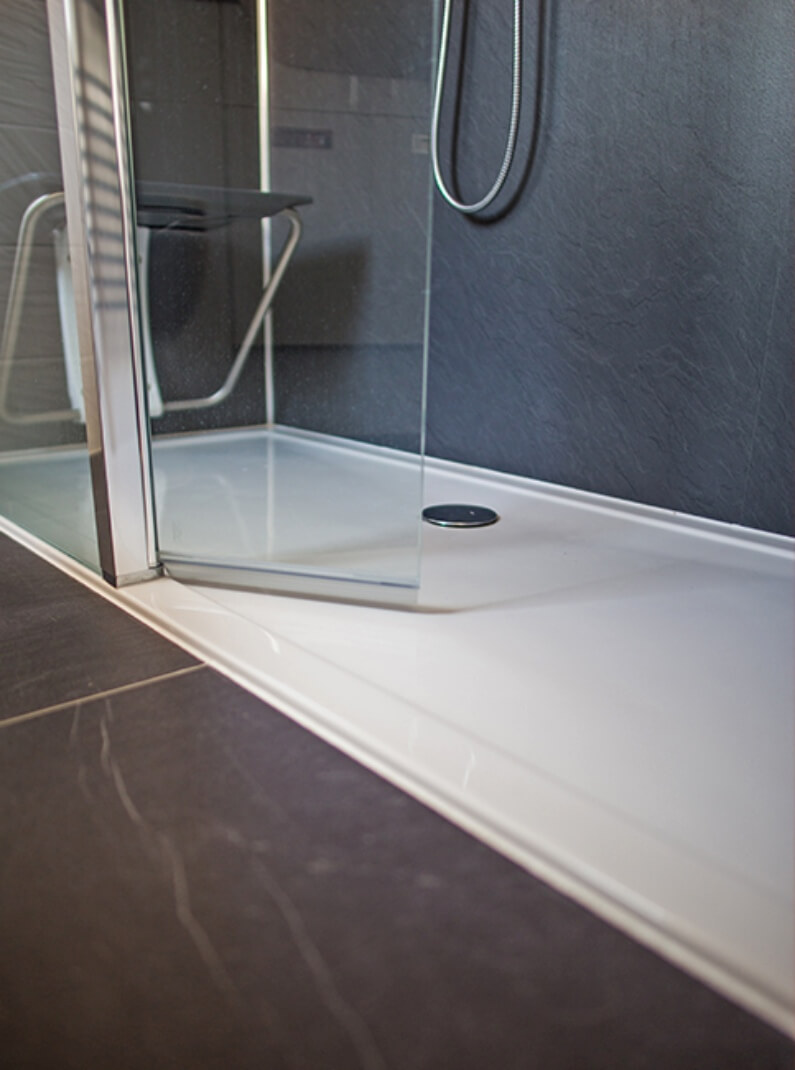
In wet rooms and level access showers, larger floor drains and longer runs of pipework can trap more dust, dirt, and debris if they’re not cleaned regularly.
If the wet room drain trap dries out or is not correctly installed, the sewer smell in bathroom can spread quickly.
Identifying the Source of the Smell
Sink Drain
If the main odour is around the basin, run the tap and sniff near the plughole to see if the smell gets stronger when the water flows.
A smelly bathroom sink is often linked to a dirty P-trap or biofilm build up on the underside of the plug or pop-up waste.
Shower/Bath Drain
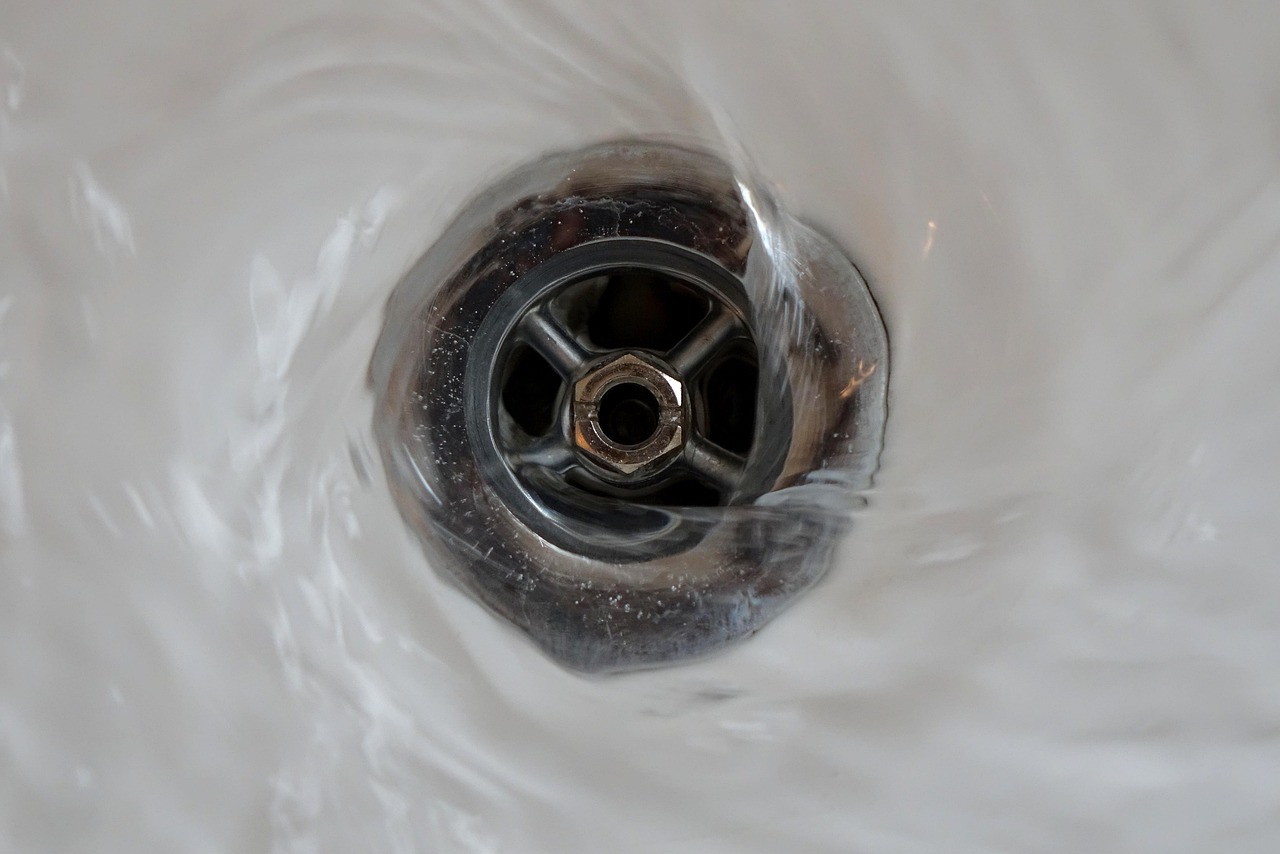
For shower drain odour, remove the drain cover and look for visible hair and soap scum caught near the surface. If the smell worsens after you take a shower and then fades, it could be caused by a partially blocked trap or biofilm lurking further down the pipe.
Toilet
Toilet odours are usually obvious, but if the smell persists when the bowl is clean, check around the base for dampness or staining, as this could suggest a failing seal.
A faulty wax or rubber seal where the toilet meets the floor pipe can allow sewer gases to escape into the room.
Floor Drain (Wetrooms)
If you have a wet room, crouch near the floor drain and see if the smell is strongest there, especially after the area has been unused for a while. If you notice any gurgling noises or slow drainage, in addition to the odour, the issue may be due to a combination of a blockage and a dry or poorly functioning trap.
Overflow Pipes
Sometimes, the source of drain odour removal needs is the overflow channel inside the sink or bath. If the smell is strongest near the overflow, it may need targeted cleaning.
Quick Fixes for Smelly Drains
Hot Water Flush
One of the easiest ways to eliminate drain smell is to pour a generous amount of hot (not boiling) water down the affected drain. This helps to melt soap residue and push loose debris through.
Bicarbonate of Soda and Vinegar
Bicarbonate of soda and white vinegar can be used to create a fizzing reaction that loosens grime and neutralises odours.
Pour a few tablespoons of bicarbonate down the drain, then add a cup of white vinegar and leave it to work for 10 to 15 minutes. Afterwards, flush the drain with hot water.
Biological Drain Cleaners
Modern biological drain cleaners use enzymes and friendly bacteria to break down organic matter. After pouring the product down the drain, leave it to work for a few minutes before running the tap or shower to rinse it away.
P-Trap Refill
If a drain hasn’t been used for a while, you might have a dry P-trap. This is a common problem in guest bathrooms that aren’t used often. To resolve this, run the water for a few minutes to restore the protective seal. Adding a drop of mineral oil after refilling the trap can slow evaporation and help fix smelly drains.
Deep Cleaning Methods
Manual Drain Cleaning
If you’re struggling with stubborn bathroom drain smell issues, remove the plug and use a gloved hand, hook, or small brush to pull out hair and sludge at the top of the drain.
Drain Snake Method
A simple manual drain snake or flexible rod can reach further into pipes to pull out compacted hair and debris that’s causing shower drain odour.
Professional Jet Washing
If repeated DIY attempts fail, professional drain jetting uses high-pressure water to scour the inside of pipes and remove built-up deposits.
Natural Solutions for Drain Odours
Lemon and Salt Method
Coarse salt and lemon juice can help scrub and deodorise the top section of smelly drains. Work the paste around the plughole and just inside the drain, leave briefly, then rinse with hot water.
Essential Oil Treatment
After cleaning, add a few drops of essential oil (like tea tree, eucalyptus, or lemon) to temporarily mask unpleasant bathroom odours. Always dilute oils and avoid overuse, especially if you have allergies or sensitive skin.
Enzyme Cleaners
Enzyme-based products use targeted enzymes to digest organic build-up over time. If you use them regularly, they can prevent new biofilm from forming and keep bathroom drain smell to a minimum.
Special Considerations for Accessible Bathrooms
In accessible bathrooms, good drainage is essential for safety as well as comfort.
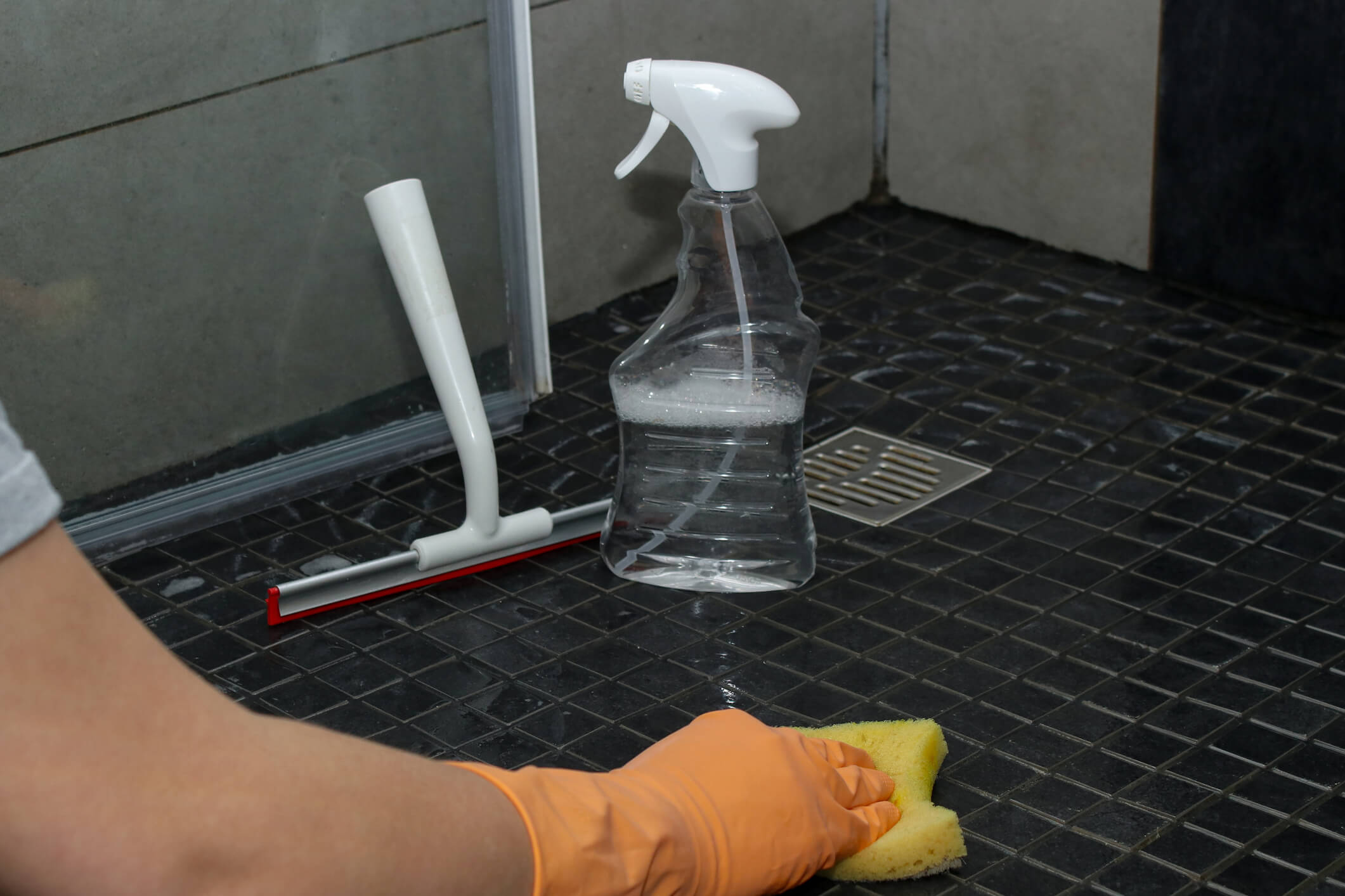
If you have a wetroom, you should regularly remove hair and debris from the floor drain and make sure the trap always retains water. This will help to block odours.
For walk-in shower drainage, choose the right tray gradient, drain position, and grate design to reduce standing water and prevent trapped residue that can cause shower drain odour.
Level access showers are a popular choice for people with reduced mobility, so it’s important to balance easy wheelchair or frame access with robust drainage. Correctly sized gullies and accessible grates make it easier to fix smelly drains quickly without bending or lifting.
Preventing Smelly Drains
A simple weekly routine of hot water flushing, light scrubbing around plugholes and removing visible hair can reduce future blocked drain smell issues. Adding a regular enzyme or mild biological cleaner will keep biofilm under control in sinks, walk-in baths, and showers.
Never pour fats, oils, coffee grounds, thick cleaning products, or non-flushable wipes down bathroom drains. These materials cling to pipes, combine with soap and hair, and increase the risk of blockages and persistent odours.
When to Call a Professional
- If smells return quickly after thorough cleaning
- If odours are strong and sewage-like
- When more than one fixture smells or drains slowly
- If you notice gurgling noises, frequent toilet blockages, or bathroom smell from pipes that worsens after heavy rain
Professional drain rodding, jetting, and investigation services in the UK can range from the low hundreds of pounds upward, depending on the severity of the blockage, access, and whether camera surveys are required.
FAQs
Q: Why does my bathroom smell like rotten eggs?
A: Rotten egg smells are linked to hydrogen sulphide gas produced by bacteria in stagnant water, or by sewer gases escaping through dry traps or faulty seals.
A: Mild odours caused by soap and hair build up are mainly unpleasant, but strong sewer smells can indicate gases entering the home. In high concentrations, these may be harmful. Persistent or very strong odours should be investigated by a qualified plumber or drainage specialist.
A: Light cleaning and hot water flushing weekly, plus a more thorough monthly clean is usually enough to keep most bathroom drains smelling fresh.
A: Bleach can temporarily mask odours and disinfect surfaces, but it doesn’t always eliminate the underlying build-up causing smells. It can also be harsh on some systems. Physical cleaning, enzyme products, and professional help may offer better long-term drain odour removal.
A: Heavy rain can overload external drains and sewers, leading to a backup of gases through internal pipework, especially if vents or traps are compromised. If smells consistently worsen in wet weather, ask a drainage professional to inspect the system for defects.
A: Regularly lift and clean the drain cover, remove hair and debris, check that the trap holds water, and flush the drain with hot water to keep things flowing. Promptly addressing slow drainage or odour will help to avoid long-term issues.