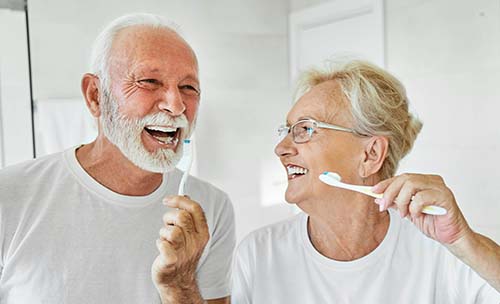
More older adults are choosing to stay in their own homes rather than move into residential care facilities. They want family surroundings, independence, and the comfort of their own daily routines. This is known as ageing in place.
With the right home adaptations for the elderly, making the choice to age in place can be both safe and achievable.
In this guide, we’ll explain the key areas that matter most for ageing in place, including bathroom adaptations for the elderly, adapted kitchens, bedroom aids for the elderly, and wider home renovations for the elderly, such as ramps and stairlifts. Let’s get started, shall we?
What Does Ageing In Place Mean?
People aged 65 and older have the highest risk of falling, and around half of people aged 80 and over fall at least once a year. Unaddressed fall hazards in the home are estimated to cost the NHS in England around £435 million per year.
Ageing in place means growing older while staying in your own home, with a few helpful changes so you can move around safely and do things more easily.
It’s about staying where you feel at home, while adapting the space around you as your needs change. Instead of moving because the stairs feel harder or the bathroom feels risky, you adjust those areas of the home so they work better for you.
The emotional benefits of ageing in place are huge. People who stay in their own, familiar home often feel more secure, more themselves, and more connected to neighbours, local shops, and the community.
They keep their favourite chair, the garden they’ve cared for, and the everyday routines that give their life structure and comfort.
There are financial benefits too. Residential care homes can be very expensive over time, while targeted home adaptations for the elderly can be a one-off or phased investment that supports independence for years.
Technology also plays a key role. From simple grab rails and level-access ageing in place showers to sensor lighting and voice-controlled devices, a few small adjustments can make daily life much easier and safer.
Key Home Adaptations for the Elderly
Below are the main areas where practical upgrades can improve safety and comfort for people who choose to age in place.
Bathroom Adaptations for the Elderly
Bathrooms are a high-risk area for slips and falls, especially when there are wet floors, high bath sides, and limited places to hold on. That’s why bathroom adaptations for the elderly are often the first priority when thinking about ageing in place.
Practical bathroom solutions for ageing in place include:
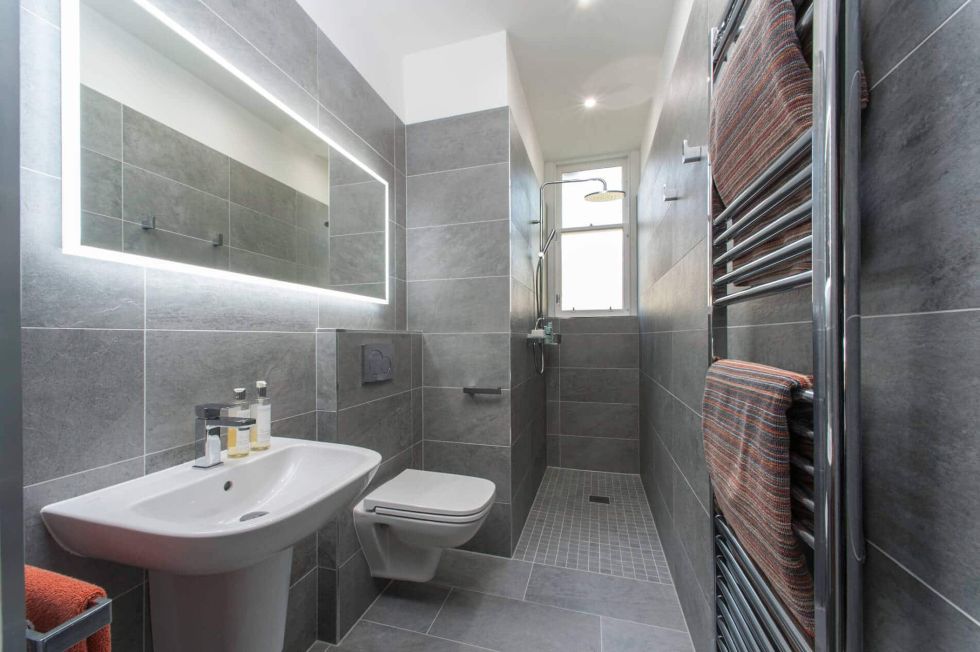
- Walk-in or level-access ageing in place showers. These remove the need to step over a high bath edge and provide a flat, easy entry. They are ideal if balance, strength, or flexibility is changing.
- Slip-resistant flooring. Modern, non-slip flooring helps reduce the chance of falls.
- Grab rails and handrails. Sturdy rails near the walk-in shower, bath, and toilet provide extra support when standing, sitting, or transferring from a walking aid.
- Higher (comfort-height) toilets. A slightly higher toilet can make it much easier to sit down and stand up, especially if you have joint pain or reduced strength.
- Shower seating. Fold-down seats or freestanding shower chairs allow you to wash comfortably without having to stand for long periods.
Professional installation is important for both safety and compliance. A specialist installer will make sure that grab bars are fixed to solid points, that level-access showers drain properly, and that all bathroom adaptations meet the relevant safety and accessibility standards.
Adapted Kitchens for Independent Living
The kitchen is one room of the home where many people want to keep as much independence as possible, so they can make a cup of tea, prepare meals, and enjoy spending time with family.
Adapted kitchens are designed to reduce bending, stretching, and lifting, keeping everyday tasks manageable and enjoyable for people who want to stay independent in their own home.
Key features of adapted kitchens include:
- Height-adjustable or lower worktops. These help people who use a wheelchair or who have reduced reach to prepare food at a comfortable level.
- Pull-out and pull-down storage. Cupboards with pull-out shelves or pull-down units bring items towards you instead of forcing you to reach or climb.
- Easy-grip taps and handles. Level taps and D-shaped handles are kinder on arthritic hands than small round knobs.
- Safer appliances:
- Hobs with auto-shut off if left unattended
- Side-opening ovens that reduce the need to lean over hot doors
- Clear, simple controls and visual indicators
When planning home renovations for the elderly in the kitchen, walk through a typical day: boiling the kettle, making lunch, loading and unloading the dishwasher, and so on. Every adaptation that you make should either reduce risk, reduce effort, or do both.
Bedroom Aids for the Elderly
The bedroom should feel calm, comfortable, and safe, especially at night when visibility is reduced, and people tend to feel unsteady on their feet.
Bedroom aids for the elderly focus on safe transfers, good sleep posture, and clear, well-lit routes.
Helpful bathroom adaptations include:
- Adjustable beds. Electronically adjustable beds let you raise or lower the head and legs for comfort, easier breathing, and safer transfers in and out of bed.
- Bed rails and grab handles. These provide extra stability when standing up or repositioning in bed.
- Motion-sensor or low-level lighting. Soft lights that turn on automatically when you move can help guide you to the bathroom or hallway without fumbling for the light switch.
Simple changes can make a big difference too:
- Removing loose rugs and wires
- Decluttering walkways
- Keeping essential items like medication, water, phone, and glasses within easy reach
- Using furniture with good stability and avoiding pieces that wobble or tip easily
Wider Home Renovations for the Elderly
Outside of the key rooms, wider home adaptations for the elderly make it easier for people to move freely and safely through the house.
- Stairlifts can allow continued use of upper floors without the physical strain of climbing.
- Ramps and step-free access help wheelchair users, people with walking aids, and anyone who feels unsteady on steps.
- Widened doors reduce the chance of bumping mobility aids and make it easier to manoeuvre wheelchairs and frames.
- Timed, sensor-based or app-controlled smart lighting ensures hallways, stairs, and outdoor paths are well-lit when needed.
- Voice-controlled devices such as smart speakers can be used to control lights, heating, and other home appliances with simple voice commands.
Remember, someone with a progressive condition might need more forward-planning, while someone recovering from a fall may need immediate, targeted changes.
Planning Home Adaptations for Ageing in Place
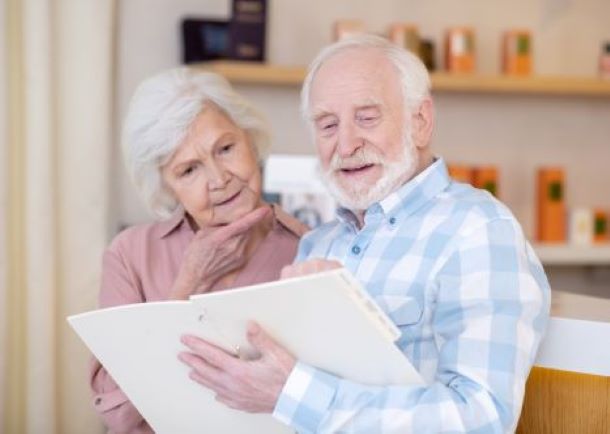
Assessing Current Needs
The first step is to take an honest look at current challenges and likely future changes.
Occupational therapists and specialist installers can:
- Observe how you currently move around your home
- Identify hazards and bottlenecks, such as narrow corridors or steep staircases
- Recommend specific home adaptations for the elderly that match your needs and budget
Obtaining tailored advice prevents unnecessary spending and ensures each adaptation supports independence.
Budgeting and Funding Options
Cost is an important factor, but smart planning can make ageing in place affordable and sustainable.
You should:
- Prioritise safety-critical work first. Bathroom adaptations for the elderly, secure handrails, and improved lighting are often high-impact upgrades.
- Phase other improvements. After you have addressed the most urgent issues, you can add adaptations over time as needs change and budget allows.
- Explore grants and financial support. In the UK, many people are eligible for a Disabled Facilities Grant (DFG) from their local council, which can be used to fund essential adaptations like accessible bathrooms, ramps, or stairlifts.
Thinking long-term often helps, as the upfront cost of home adaptations is often much lower than the ongoing fees of residential care or repeated emergency call-outs after falls.
Why Act Now?
Often, families consider home adaptations only after a fall or a decline in mobility.
Planning home adaptations for ageing in place before they are urgently needed means you can involve the older person in decisions, work can be carried out at a sensible pace, and you reduce the risk of preventable accidents.
Most importantly, early planning supports comfort, dignity, and a sense of control.
Final Thoughts
Home adaptations for the elderly are one of the most practical ways to support ageing in place. Making targeted changes to the bathroom, wet room, kitchen, bedroom, and wider home means older adults can stay in familiar surroundings while still feeling safe, supported, and independent.
If you’re ready to explore the options, speaking with a specialist provider like BMAS can help you turn your ideas into a clear, personalised plan. Get in touch today for expert guidance on accessible bathroom design, products, and installation.
FAQs
What are the most important home adaptations for ageing in place?
The most important adaptations are those that reduce the risk of falls and make daily tasks easier. This often starts with bathroom adaptations for the elderly, such as walk-in or level-access showers, grab rails, and slip-resistant flooring. Other important adaptations include improving lighting throughout the home, secure stair handrails or stairlifts, and removing trip hazards. From there, adapted kitchens, bedroom aids for the elderly, and other home renovations can be added based on individual needs.
How can I make my bathroom safer for an elderly relative?
Start by improving safety around movement and surfaces. Install grab rails near the toilet and shower, use non-slip mats or slip-resistant flooring, and make sure the room is well-lit. Consider replacing a traditional bath with an ageing in place shower or walk-in bath, so your relative no longer has to step over a high bath side. A higher toilet and shower seat can also reduce strain.
Are there grants available for home adaptations in the UK?
Yes. Many people in the UK can access financial support for essential home adaptations for the elderly. One option is the Disabled Facilities Grant (DRF), which can help fund accessible bathrooms, ramps, and stairlifts. Contact your local authority, speak to an occupational therapist, or ask a specialist installer to learn more.