

A walk-in bath is a special bathtub with a low-entry door that lets you get in and out of the bath safely without climbing over the side. It also has a built-in seat. Walk-in baths are especially popular with elderly people and people with limited mobility.
Did you know that 60 per cent of injurious falls in older adults occur at home, including slips and trips in the bathroom? In many households, installing a walk-in bath transforms the bathroom from a risky space into a place of safety, comfort, and confidence, reducing the risk of bathroom falls.
Features like easy-access doors, non-slip floors, grab rails, and thermostatically controlled taps are all designed to make bathing more comfortable and accessible, whether you bathe independently or with assistance.
The cost of walk-in baths for elderly people in the UK including installation, depends on the size, features, and the amount of work needed to adapt your bathroom.
Read on to learn more about what factors influence the cost of walk-in baths for elderly people in the UK.
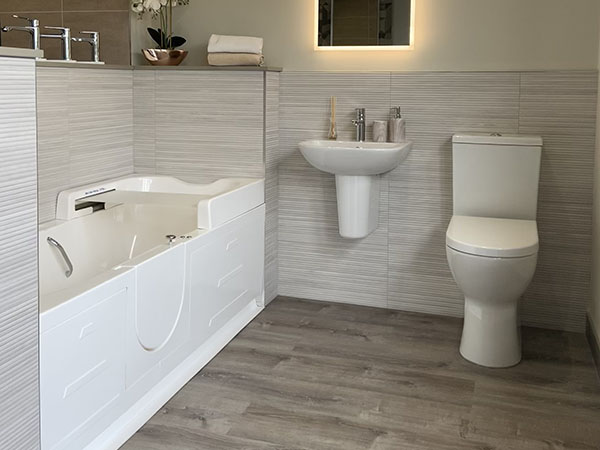
What Affects the Cost of Walk-In Baths for the Elderly?
The cost of walk-in baths for elderly users varies because every bathroom and each person’s needs are different.
Basic UK-made walk-in baths are usually the cheapest option, but you can expect to pay much more for large, feature-packed models and bespoke installations.
Here’s more information about the cost of walk-in baths UK.
Bath Size and Style
Bath size is one of the biggest drivers of walk-in baths UK prices.
Smaller, compact sit-in models for tight bathrooms typically fall at the lower end of the price range, while deep soak or full-length lay-down tubs cost more because they use more material and take longer to install.
Full-length P-shape or bath-and-shower combo models are slightly more expensive, while specialist models designed for very limited mobility, with higher sides or integrated seats, are the most expensive option.
If you’re replacing a standard bath like-for-like with a similar footprint, installation is usually simpler and cheaper than reconfiguring the whole bathroom layout.
Material Quality and Build
Most modern walk-in baths for elderly are made from reinforced acrylic or fibreglass composites, which are strong, easy to clean, and stain resistant.
Higher-grade materials and thicker shells cost more upfront but can last 15 years or longer with proper care, like a standard bathtub.
- Entry-level acrylic or plastic shells are the cheapest option
- Premium reinforced acrylic, sturdier frames, and high-quality seals push the walk-in bathtub price higher
For elderly users, it is often worth paying a little more for robust doors and seals that reduce the risk of leaks and maintenance issues over time.
Accessibility Features and Extras
Accessibility extras can significantly change the cost of walk-in baths for elderly because each added feature requires extra components, labour, and sometimes electrical work.
Common upgrades include:
- Hydrotherapy/air spa jets
- Motorised or powered lifting seats
- Static seats
- Chromotherapy or mood lighting
- Fast-fill taps and quick-drain systems, which reduce waiting time and may slightly increase installation costs.
While these options are likely to increase walk-in baths UK prices, they can transform comfort and independence for elderly users who live with pain, stiffness, or balance issues.
Understanding Walk-In Bath Installation Costs
The walk-in bath installation cost is separate from the bath price itself. For complex projects requiring significant plumbing or electrical work, the walk-in bath installation cost is likely to be much higher.
Bathroom Layout and Plumbing Adjustments
Installation is much cheaper when the new bath drops into the same space as the old one with minimal changes to pipework and waste. Costs rise when installers must:
- Move or extend hot and cold pipes or alter the waste run
- Reinforce floors to handle heavier deep-soak or hydrotherapy baths
- Reposition radiators, toilets, or basins
Projects that require door widening, subfloor work, or full layout changes will cost more.
Electrical and Safety Add-ons
If you choose features such as powered doors, pumps, heated seats, or integrated lighting, you will need to hire a qualified electrician. Again, the cost of this will depend on the complexity of the job and whether the consumer unit or wiring needs to be updated to meet UK regulations.
A specialist provider like BMAS will ensure that all electrics and fittings comply with current UK safety standards and best practice for mobility bathrooms.
Professional vs DIY Installation
Walk-in baths are specialist products, so DIY installation is rarely advisable. This is especially true for elderly users who rely on the bath for daily safety.
Professional installation through BMAS will ensure:
- End-to-end project management from initial survey to project sign-off
- Warranty on both the bath and the fitting work
- Safety checks on plumbing, sealing, and electrics before the bath is used
For older adults, that peace of mind, plus a single point of contact if anything goes wrong, usually outweighs any savings from coordinating trades yourself.
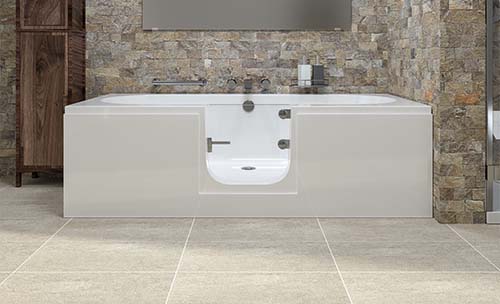
Comparing Walk-In Baths: Finding the Best Option for Your Needs
Choosing the right walk-in bath is all about matching mobility needs, bathroom space, and budget to the right style and feature set.
Mobility and Comfort Requirements
Start by thinking about who will use the bath and how much support they need.
- For people with good upper body strength but unsteady legs, a sit-in model with grab bars may be enough.
- For users with significant mobility challenges, a powered seat, low threshold, and simple controls are definitely worth prioritising, even if they add to the cost of walk-in baths for elderly.
- If chronic pain is an issue, hydrotherapy jets can offer ongoing relief and help justify a higher upfront spend.
Matching Bath Types to Bathroom Space
The size and layout of your current bathroom will help you decide which models are realistic.
- If you have a smaller bathroom, compact or shorter deep-soak tubs can help maximise floor space for safe turning and carer access.
- In standard UK bathrooms, a full-length lay-down or P-shape bath-and-shower combos are often the best choice and can help with future property resale.
- Larger bathrooms offer greater flexibility to add luxury features or to combine a walk-in bath with a separate walk-in shower.
If you want to weigh up the pros and cons of walk-in showers and walk-in baths side by side, take a look at our article on how to choose between a walk-in shower and a walk-in bath.
Balance Between Cost and Value
The goal is to balance affordability with long-term value. A lower initial walk-in bath tub price might be attractive at first glance, but if it lacks the right safety features or is uncomfortable to use, it will not deliver the independence and confidence you need.
Spending slightly more on high-quality materials, reliable seals, and well-designed seats can reduce future maintenance issues, improve day-to-day comfort, and extend the lifespan of the bath.
Additional Expenses and Long-Term Value
As well as the cost of your chosen bath and installation, you will also need to factor in other costs, such as:
- Delivery or removal: removing an old bath, disposing of waste, and delivering the new unit could easily add a few hundred pounds to the total cost.
- Warranty and servicing: All products supplied by BMAS come with a manufacturer’s warranty, typically lasting up to 10 years. All of our installations are covered by a one-year workmanship guarantee. Extended cover or servicing plans may cost extra but could help keep future repair bills predictable.
- Running costs: insulated shells, fast-fill taps, and efficient pumps can keep water and energy use reasonable, leading to potential savings on your utility bills.
Remember, a well-chosen walk-in bath can add value to your home by making the bathroom more accessible and attractive to buyers who need or want mobility-friendly features.
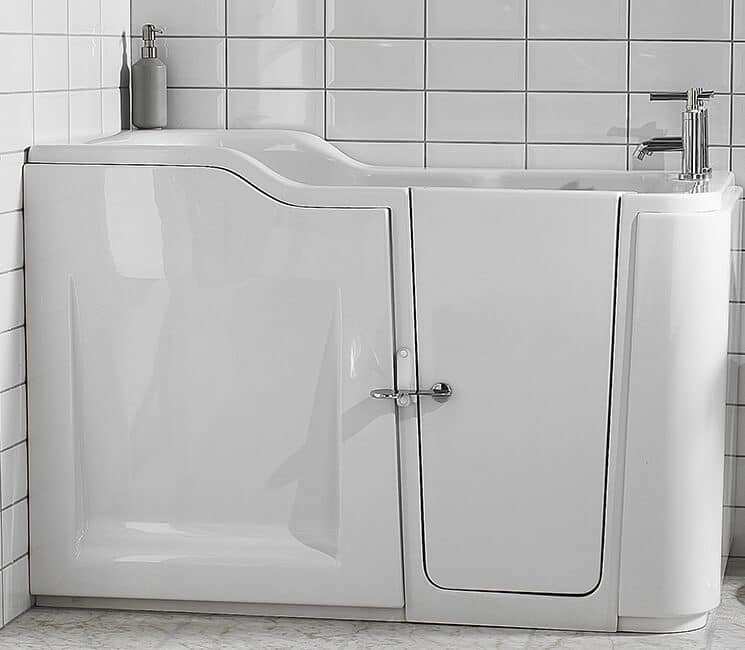
Understanding the True Cost of Walk-In Baths for the Elderly
When you look at the full picture, the cost of walk-in baths for elderly people in the UK is influenced by bath size and style, material quality, accessibility extras, and the complexity of the installation.
Most people can expect prices to vary, with very basic supply-only baths at the lower end and feature-rich, bespoke solutions at the higher end.
The important thing is that there are options for different budgets, mobility levels, and bathroom sizes, from simple compact sit-in tubs to luxurious hydrotherapy models.
To understand the costs, why not arrange a free, tailored quote from BMAS? We can assess your current bathroom, listen to your needs, and recommend the safest, most cost-effective solution.
Explore our current walk-in bath range, learn more in our complete guide to walk-in bathtubs or request a home visit here.
FAQs
What affects the cost of walk-in baths for the elderly?
The cost of installing a walk-in bath is mainly influenced by bath size and style, material quality, safety and comfort features, and how much installation work is needed to adapt your bathroom. Extras like hydrotherapy jets, powered seats, and quick-fill systems will increase the price but can significantly improve comfort and independence.
Are walk-in baths worth the cost for elderly users?
For many older adults, walk-in baths are worth the investment because they reduce slip and fall risks, support independent bathing, and can ease pain with warm soaking and hydrotherapy. Over time, the combination of safety, comfort, and the ability to stay in your own home longer often outweighs the upfront cost.