

The honest answer to “how much does a wet room cost?” is: it depends. The size of the space, the materials chosen, the complexity of the installation, and the level of accessibility features required all play a part. There’s no single figure that applies to every project.
Wet rooms are one of the most popular bathroom upgrades in the UK. They’re sleek and practical, offering a level of accessibility that a standard bathroom can’t match.
This guide clearly breaks down wet room costs, so you can approach your project with realistic expectations and make decisions that work for your home, your needs, and your budget.
What Is a Wet Room?
A wet room is a fully waterproofed bathroom where the shower area is level with the rest of the floor. There is no tray, step, or threshold.
Water drains directly from the floor, which is graded slightly toward a drain point, and the entire room is sealed to prevent water damage to the structure beneath.
Unlike a traditional bathroom, where the shower or bath is a separate, contained area, a wet room treats the whole space as a single, open environment. This creates a clean, uncluttered feel and removes the physical barriers that make standard bathrooms difficult for people with limited mobility.
Key features of a wet room include level-access entry, specialist waterproofing (known as tanking), carefully designed drainage, and slip-resistant flooring.
A well-designed wet room is one of the most functional and future-proof bathroom formats available.
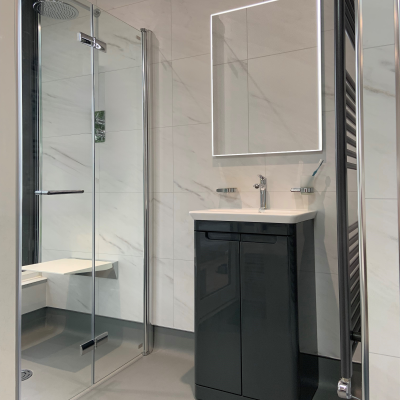
Key Factors That Affect the Cost of a Wet Room
All wet room projects are different, and the cost reflects that.
Here is an overview of the main variables that will influence the cost of installing a wet room.
Size and Layout of the Space
The bigger the room, the more materials are needed – including more waterproofing membrane, more flooring, and more tiling. More labour time will also be required. A compact en-suite conversion will cost considerably less than a full family bathroom wet room.
Layout also matters. If the existing floor gradient needs significant adjustments or if drainage needs to be repositioned to work effectively with the new design, this will add time and complexity to the project.
Structural alterations to accommodate the drain – particularly in upstairs bathrooms where joists may need reinforcing or cutting – can also affect the overall cost.
Level of Waterproofing (Tanking)
Tanking is the process of applying a waterproof membrane to the walls and floor of the wet room before any tiles or finishes go on.
It is the single most important element of a wet room installation. If you get it wrong, water will eventually penetrate the structure, causing expensive damage.
The quality and extent of the tanking system used will affect both the upfront cost and the room’s long-term durability.
Cutting corners here is a false economy. A properly tanked wet room, installed by an experienced specialist, should remain watertight for many years.
Type of Wet Room Flooring
Wet room flooring must be slip-resistant, water-tolerant, and compatible with the drainage system. The main options are:
Tiles: Ceramic and porcelain tiles are the most common choice. Smaller mosaic tiles conform more easily to the floor gradient and provide better grip. Large-format tiles can look striking but require more precise installation. Natural stone tiles are the premium choice.
Vinyl: Specialist wet room vinyl can be a cost-effective alternative to tiles. It offers good slip-resistance and is easy to install.
Specialist resin or microcement flooring: These seamless finishes are popular in contemporary wet room designs. They require skilled application but deliver a distinctive, high-end result.
Safety and accessibility should always be prioritised when choosing wet room flooring, especially if you have limited mobility or balance difficulties.
Fixtures and Fittings
The shower system, screen or curtain, seating, grab rails, lighting, and other accessories contribute significantly to the overall cost of wet room installation.
There’s a broad spectrum here – from functional, well-made standard fittings to premium or bespoke options.
For accessible wet rooms, additional features such as fold-down shower seats, thermostatic controls, handheld shower heads, and strategically positioned grab rails are important considerations.
These are not optional extras for accessible bathrooms; they are essential safety features, so you should budget for them rather than treat them as an afterthought.
Labour and Installation Complexity
Installation is often the highest single cost in a wet room project.
Installing a wet room requires expertise in waterproofing, drainage, and tiling to a gradient, as well as plumbing and structural adjustments. It is much more complex than a standard bathroom fitting.
If joists need to be lowered or reinforced to accommodate the drain, if pipework needs to be relocated, or if the room needs structural preparation, installation time and cost will increase accordingly.
Attempting to reduce costs by using a non-specialist installer is a significant risk. Mistakes in waterproofing or drainage can be very costly to put right.
The Bathing Mobility Advisory Service brings specialist experience to wet room installations, managing the full process from design through to completion with the care and precision the work requires.
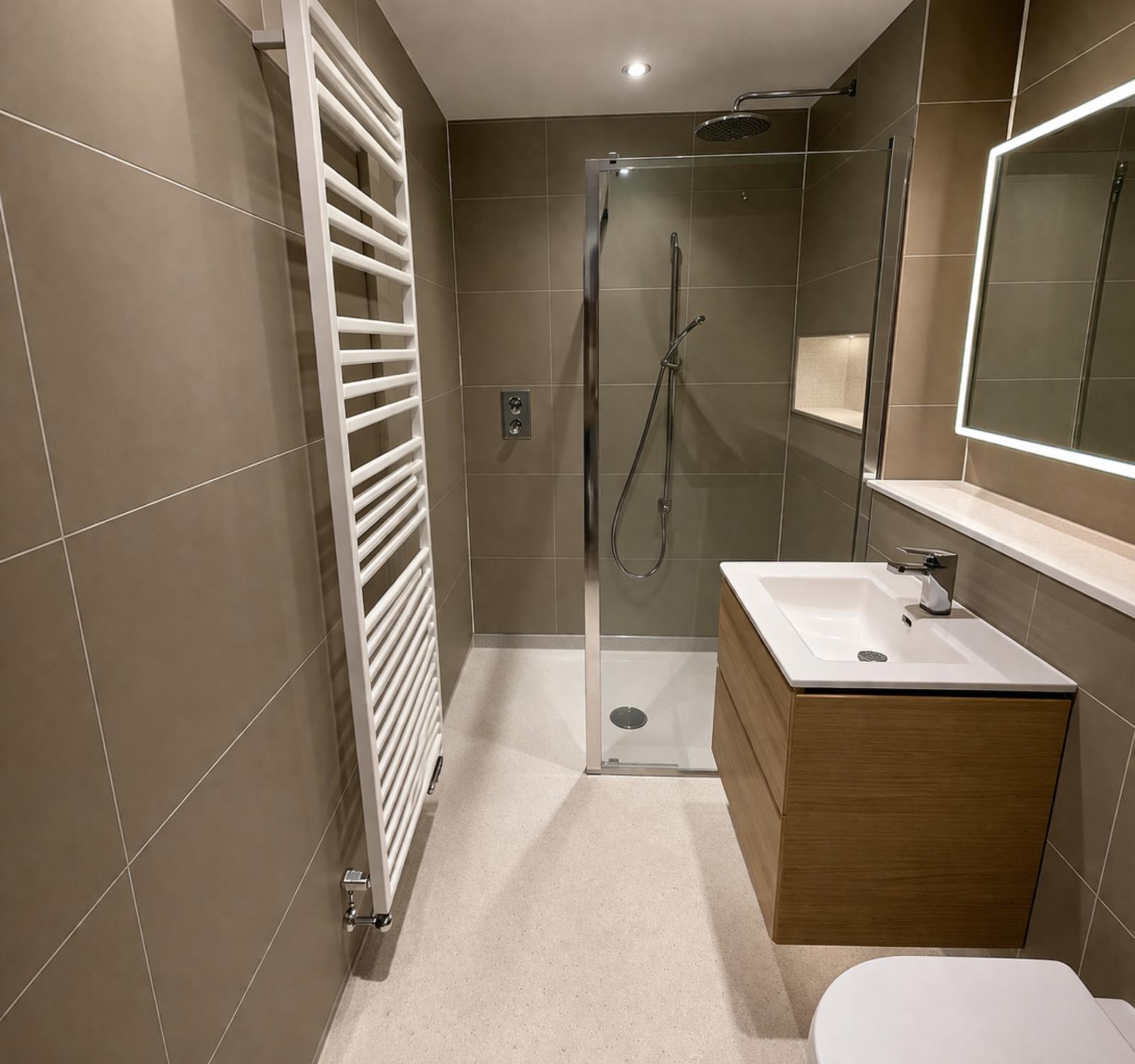
Wet Room vs Traditional Bathroom: What Affects Value?
Installing a wet room is more involved than a standard bathroom renovation, and this is reflected in the cost.
Tanking, gradient flooring, and specialist drainage add complexity that a conventional bathroom fit-out doesn’t require.
However, the comparison shouldn’t be based solely on installation cost. Wet rooms are generally easier to clean and maintain than tiled shower enclosures with tracks, seals, and doors. There are fewer surfaces to deteriorate over time, and a well-installed wet room should require very little maintenance for many years.
If you’re thinking about ageing in place – stay in your own home as your mobility needs change – a wet room is one of the most practical investments you can make. Installing a wet room removes barriers before they become problems, and it does so in a way that looks modern and purposeful rather than clinical.
A well-designed wet room can also add value to your property. A study by Direct Line Home Insurance identified that renovating a bathroom could add thousands of pounds to your property’s value.
Hidden Factors That Can Impact Your Budget
Even well-planned wet room projects can encounter unexpected costs – so it’s worth being aware of the most common ones:
Drainage challenges: The existing drainage system may not be well-positioned for a wet room layout. Rerouting or upgrading drainage adds cost but is sometimes unavoidable.
Structural reinforcements: Upstairs bathrooms often require work to the floor structure to accommodate the recessed drain. This isn’t always obvious until work begins.
Ventilation: A wet room generates significant moisture, and adequate ventilation is essential to prevent damp and mould. If the existing extraction system is insufficient, upgrading it adds to the project cost.
Aftercare and maintenance: Resealing, grout maintenance, and occasional checks on waterproofing integrity should be factored into the long-term cost picture. A well-installed wet room minimises these requirements, but doesn’t eliminate them.
How to Plan Your Wet Room Effectively
Assess Your Needs
Before you start thinking about materials or finishes, be clear on what the wet room needs to do.
Consider:
- What are the mobility requirements of the people who will be using it?
- Does it need to accommodate a wheelchair, a walking frame, or carer assistance?
- How many people will use it, and how often?
- What might change in the next five to ten years?
Answering these questions honestly will shape every subsequent decision you make about your wet room design.
Choose the Right Materials
Durability and safety should be at the forefront of the material selection process. The most visually attractive finish is of limited value if it’s slippery underfoot or difficult to maintain.
Prioritise slip-resistant wet room flooring, quality tanking, and fixtures that will withstand daily use for many years to come.
That said, durability and aesthetics are not mutually exclusive. There are excellent materials available that deliver both, and a specialist designer can help you find the right balance for your budget.
Work with Specialists
A wet room is not a project to entrust to a generalist builder.
The waterproofing, drainage, and accessibility requirements demand specific expertise. Errors at the tanking stage may not become apparent for months after installation, by which point significant structural damage may have occurred.
Working with a specialist like BMAS means the whole project is managed by people who understand both the technical and human requirements. We will help you to design a wet room that works properly, lasts well, and improves your daily life.
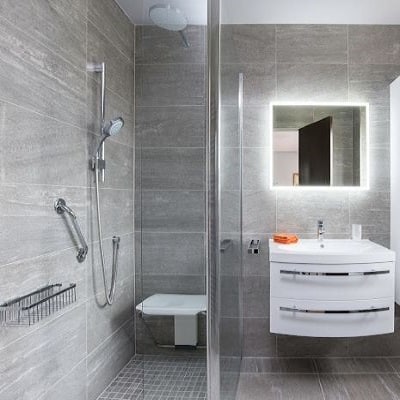
Is a Wet Room Worth the Investment?
A wet room can be an excellent investment in comfort, safety, and the long-term usability of your bathroom space.
The value isn’t only financial, though a quality wet room can certainly enhance property appeal. It’s the practical value of a bathroom that works better every day – that’s easier to use, easier to clean, safer to navigate, and designed to work well as your needs change over time.
A wet room installed to a high standard, with proper tanking and appropriate accessibility features, will deliver on all of those fronts. A poorly installed wet room, without adequate planning, may create more problems than it solves.
Get Expert Advice on Your Wet Room Project
Every wet room project is different, and the best starting point is a conversation with someone who understands the options available to you.
We specialise in accessible bathroom design and wet room installation. We have the experience to guide you through every decision, from initial planning and material selection to installation and aftercare.
Whether you’re considering a compact accessible wet room or a luxury wet room, we’d be delighted to help you explore what’s possible. Visit our wet rooms page to find out more, or get in touch to arrange a no-obligation consultation.
FAQs
What factors affect the cost of a wet room?
The overall cost depends on several variables, including the size of the space, the materials chosen for tiling and fixtures, the complexity of the waterproofing and drainage installation, and whether structural changes are needed. Labour costs will also vary depending on your location and the tradespeople involved.
Is a wet room more expensive than a standard shower room?
Generally, yes. Wet rooms require specialist waterproofing (called tanking) across the entire floor and sometimes the walls, which adds to both materials and labour costs. However, the price difference varies considerably depending on the finish level and the condition of the existing bathroom.
Does the type of flooring affect the price significantly?
Yes. The choice of tiles – porcelain, natural stone, or mosaic – can have a substantial impact on costs. Anti-slip finishes and underfloor heating, which are popular in wet rooms, will also add to the overall budget.
Can I reduce costs by keeping my existing plumbing layout?
Keeping your existing plumbing in place is one of the most effective ways to manage costs. Moving soil pipes or relocating drainage points is labour-intensive and can add significantly to the final bill.
Should I factor in any ongoing or hidden costs?
Yes. Grout and sealant maintenance, periodic re-sealing of the tanking layer, and ventilation upkeep are all worth accounting for. Poor waterproofing can lead to damp or structural damage over time, so cutting costs on installation can prove expensive in the long run.